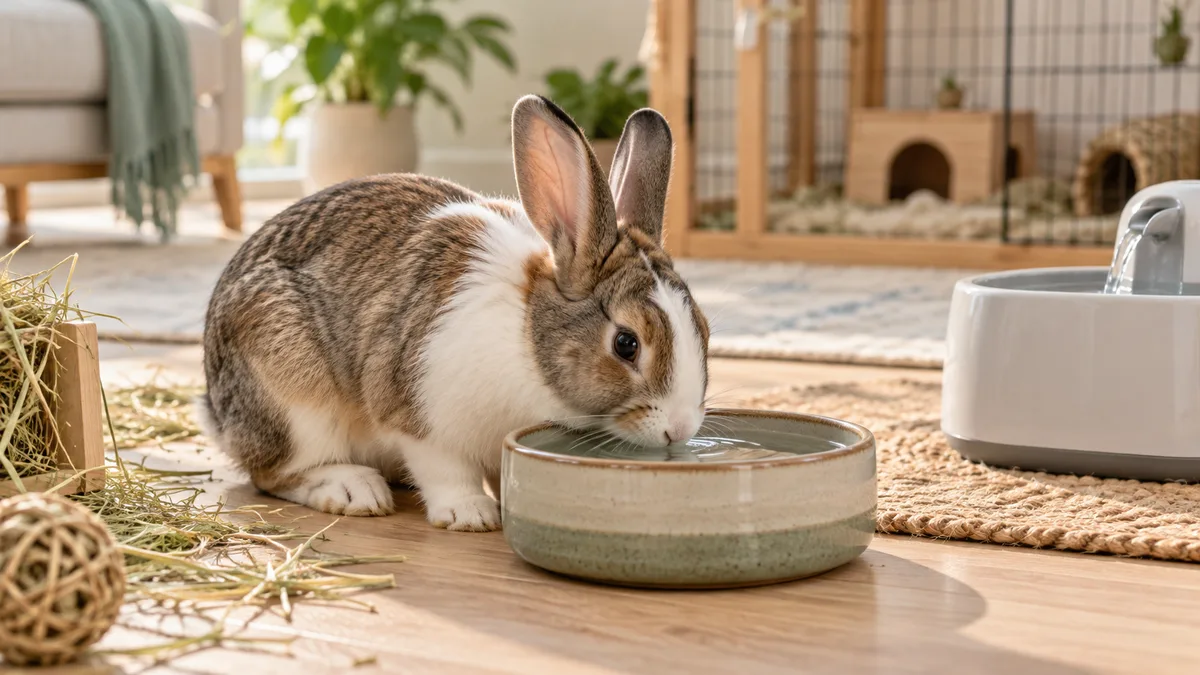
Does a Rabbit Need a Water Fountain?
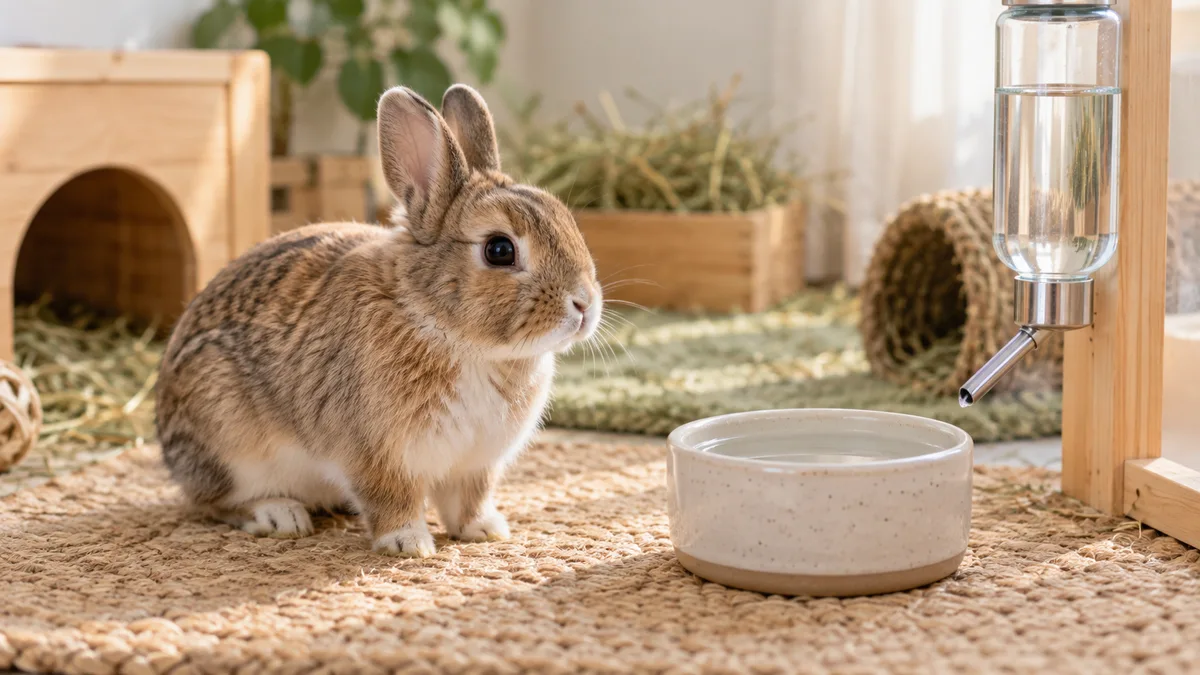
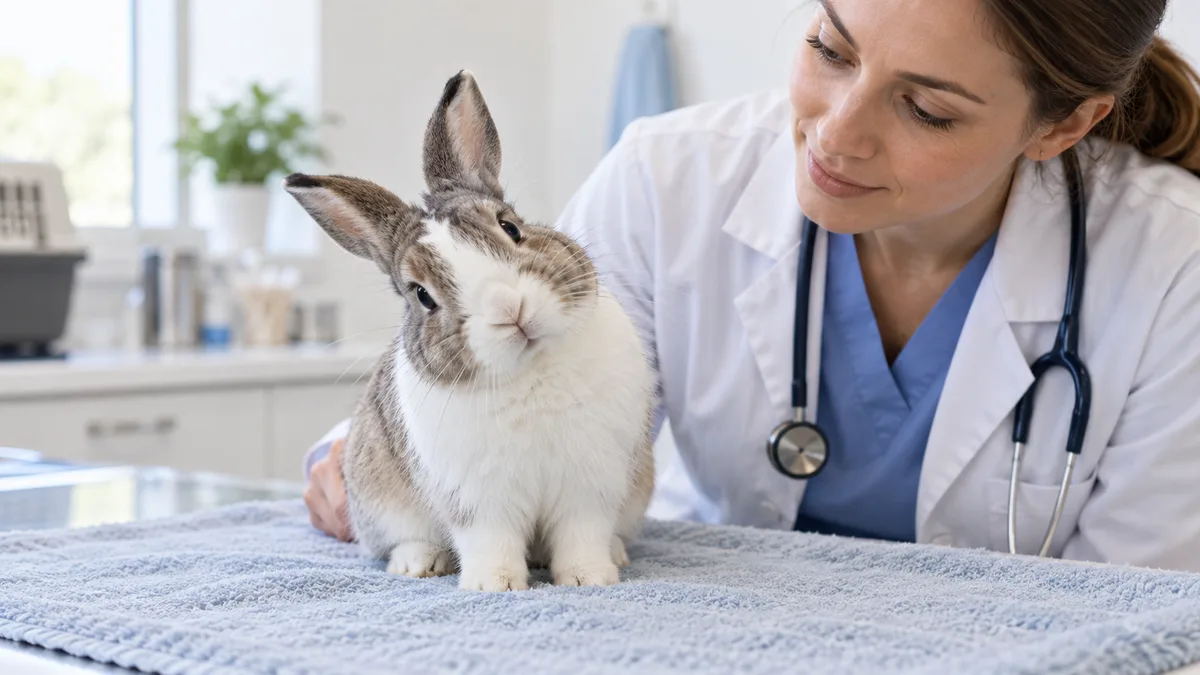
No, in almost every case. A heavy bowl does the job better for less, and a fountain puts a mains cable inside the pen of an animal that chews.

Oryctolagus cuniculus domesticus
Everything to know before adopting a rabbit: traits, lifespan, housing, feeding and adoption.
The domestic rabbit is now the third most common pet in many western households, after dogs and cats. Long viewed as a simple “small pet”, it is now recognized as a social, intelligent and sensitive companion that requires specific care and a non-negligible veterinary budget.
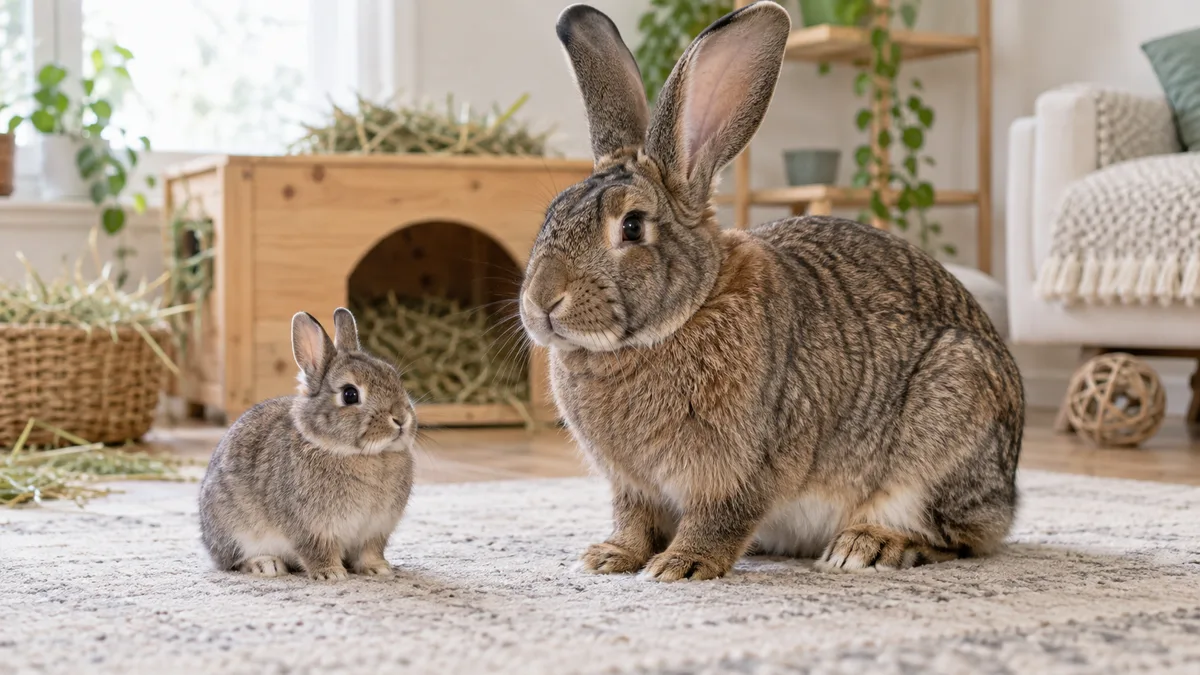
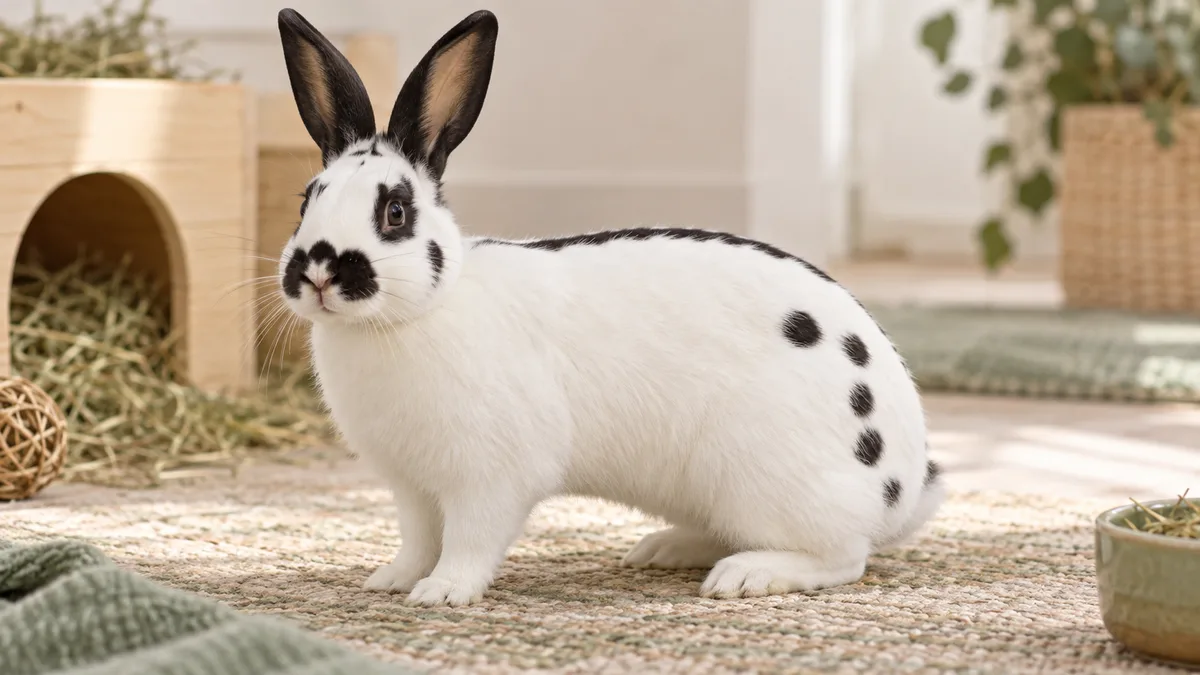
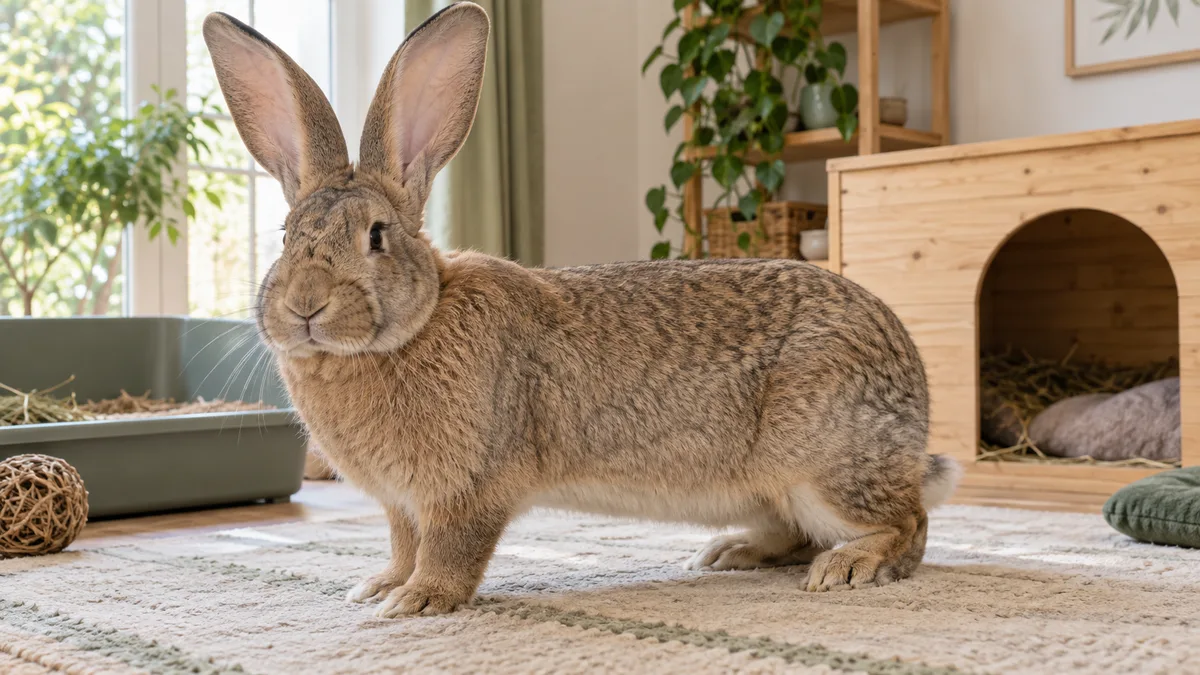
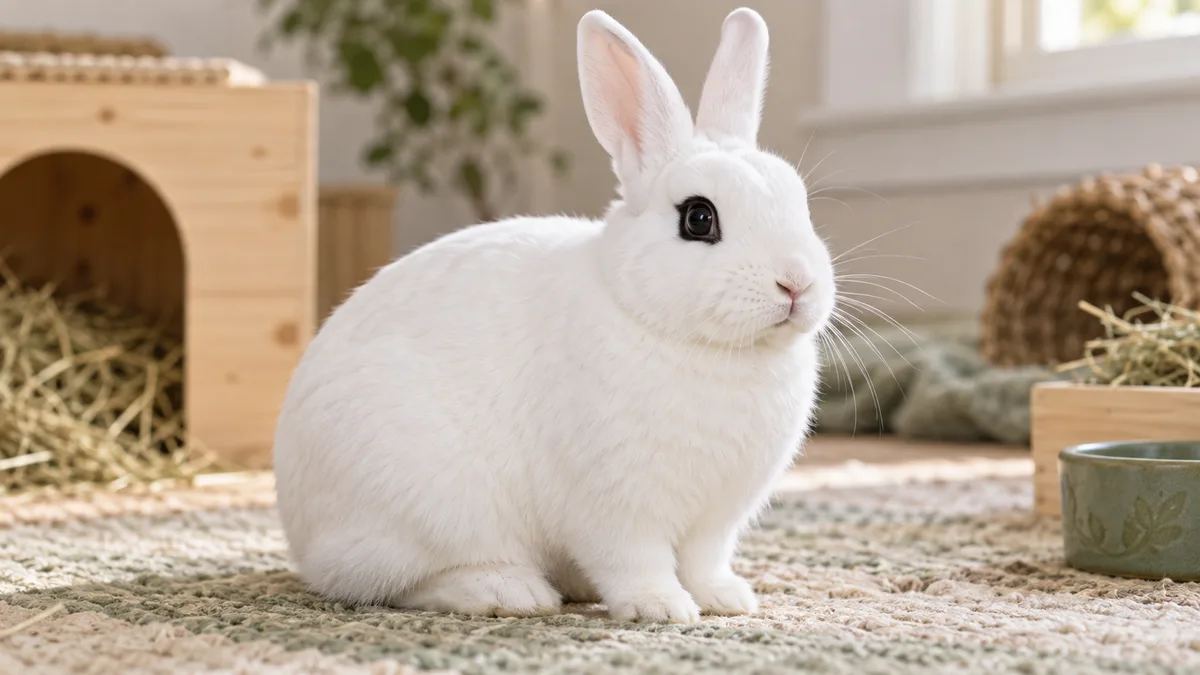
Over 60 breeds are recognized, from dwarfs of around 1 kg (Netherland Dwarf, Polish) to giants of 6 to 7 kg and beyond (French Giant Papillon, Flemish Giant, Continental Giant). In practice a breed mainly predicts three things — adult size, coat type, and the shape of the head and ears — but not temperament. What that size genuinely changes day to day, from one end of the range to the other, is compared in small or large rabbit. The full picture is in the main domestic rabbit breeds, and the two breeds most often sold in pet shops are covered in dwarf lop rabbit and lionhead rabbit. The individual breed guides then each tackle the point specific to that breed: the dwarf gene of the Netherland Dwarf, the right household for the Polish, the sensitive hocks of the Rex, the wool of the Angora, the space a Flemish Giant demands, the genetics of English Spot and butterfly-marked rabbits, and the two sizes of the Hotot.
Start with these rabbit cluster pillar guides:
No, in almost every case. A heavy bowl does the job better for less, and a fountain puts a mains cable inside the pen of an animal that chews.
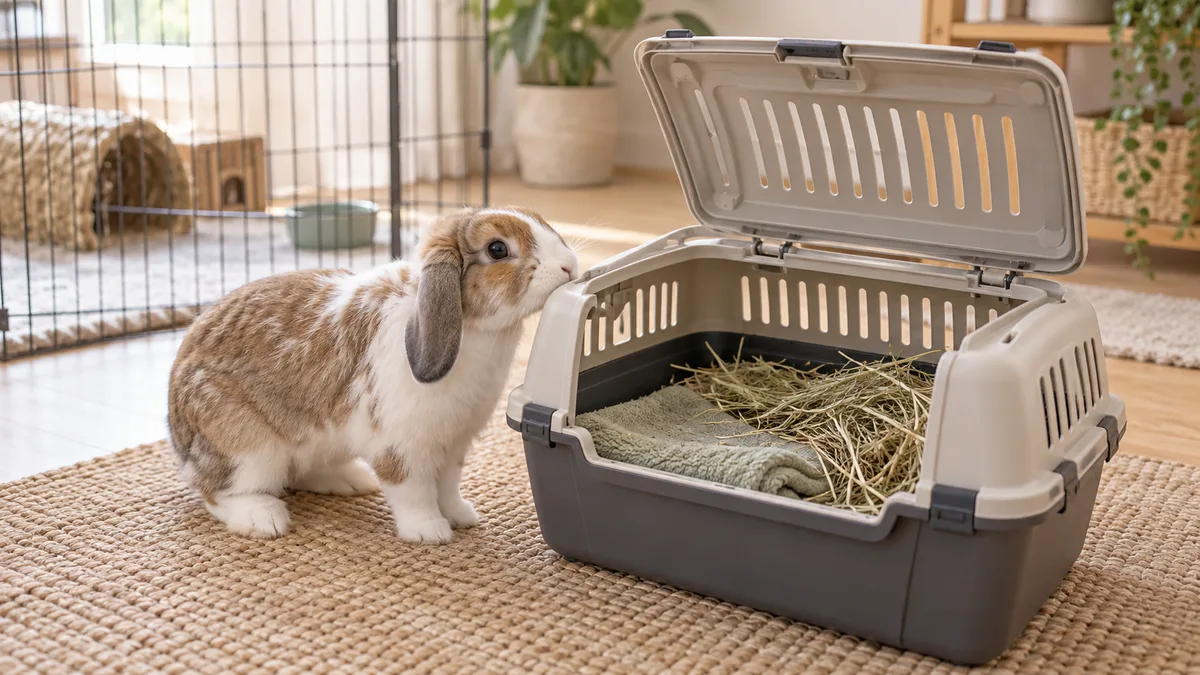
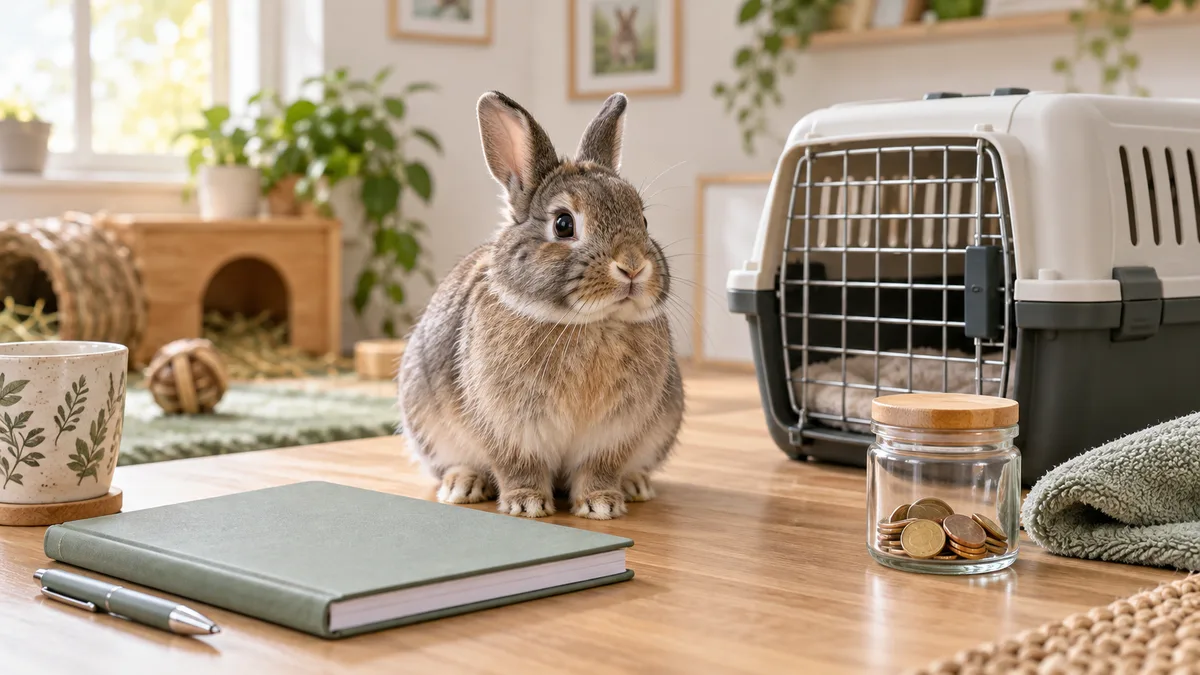
A hard-sided carrier with a top opening, big enough for the rabbit to lie flat. The criteria that genuinely matter, and the ones that are just marketing.
Height, bar spacing, stability, flooring, door: what separates a usable indoor rabbit pen from a model to walk away from, and what breaks after six months.
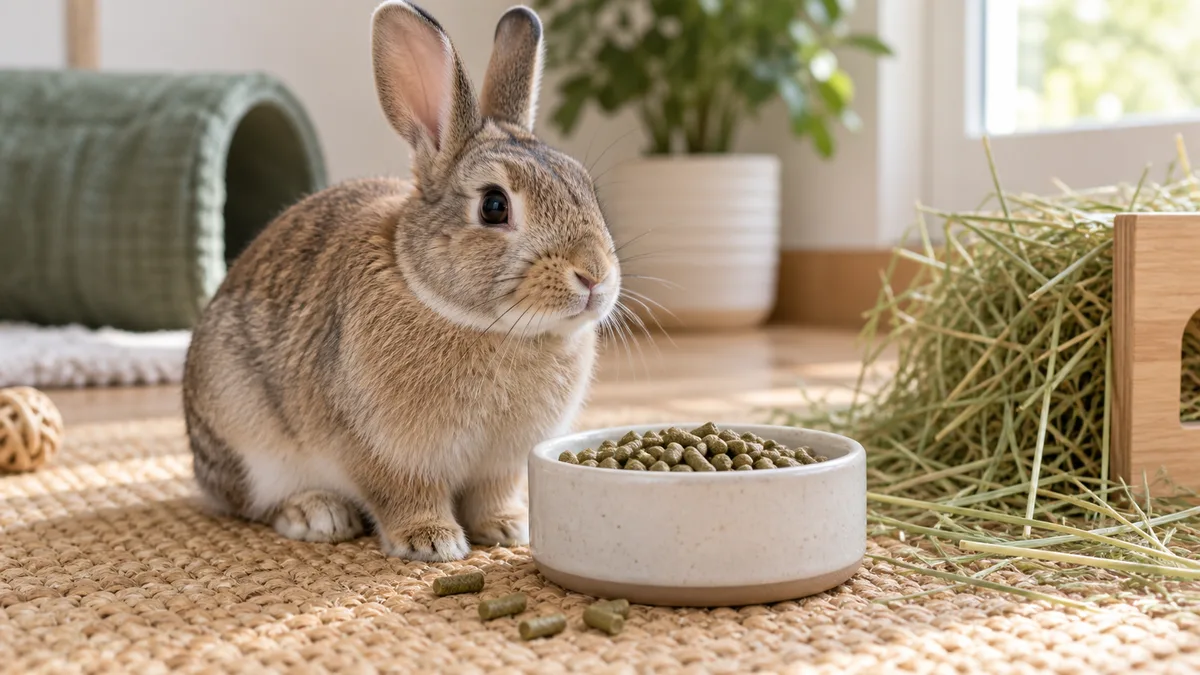
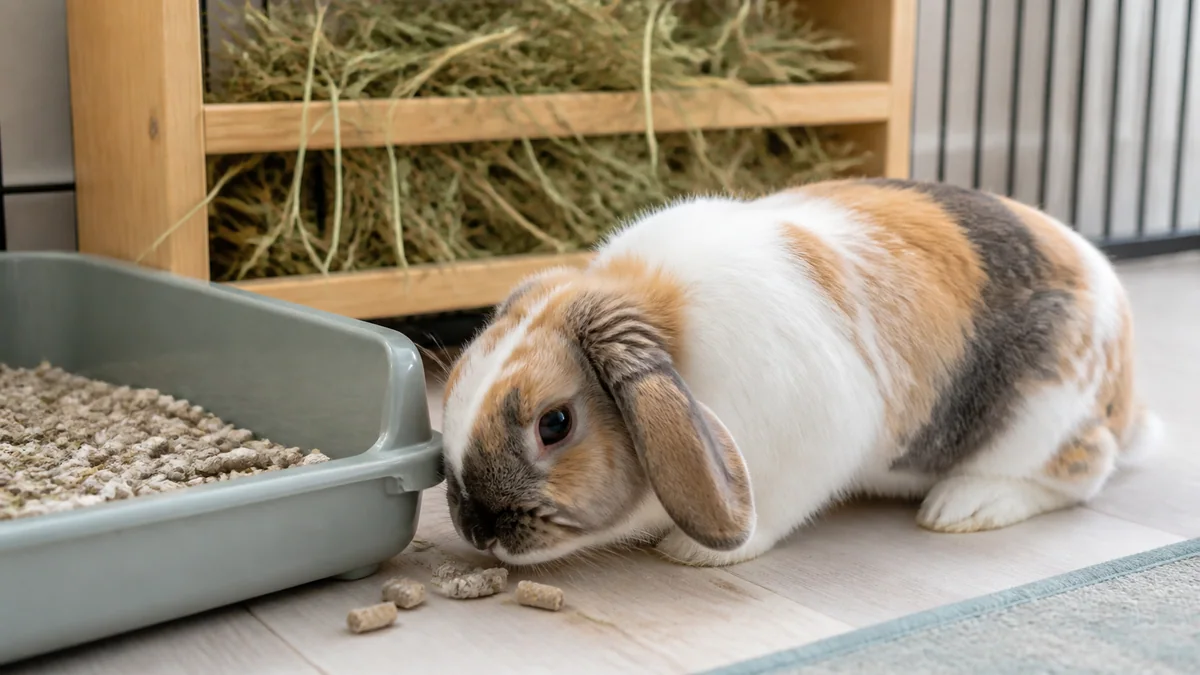
Choosing good rabbit pellets: the five lines that matter on the label, the bag size to buy, and the packaging claims that tell you nothing at all.
Bottle or bowl for a rabbit: what each changes about how much is drunk, which model to buy, where to put it, and how to switch without a drop in intake.
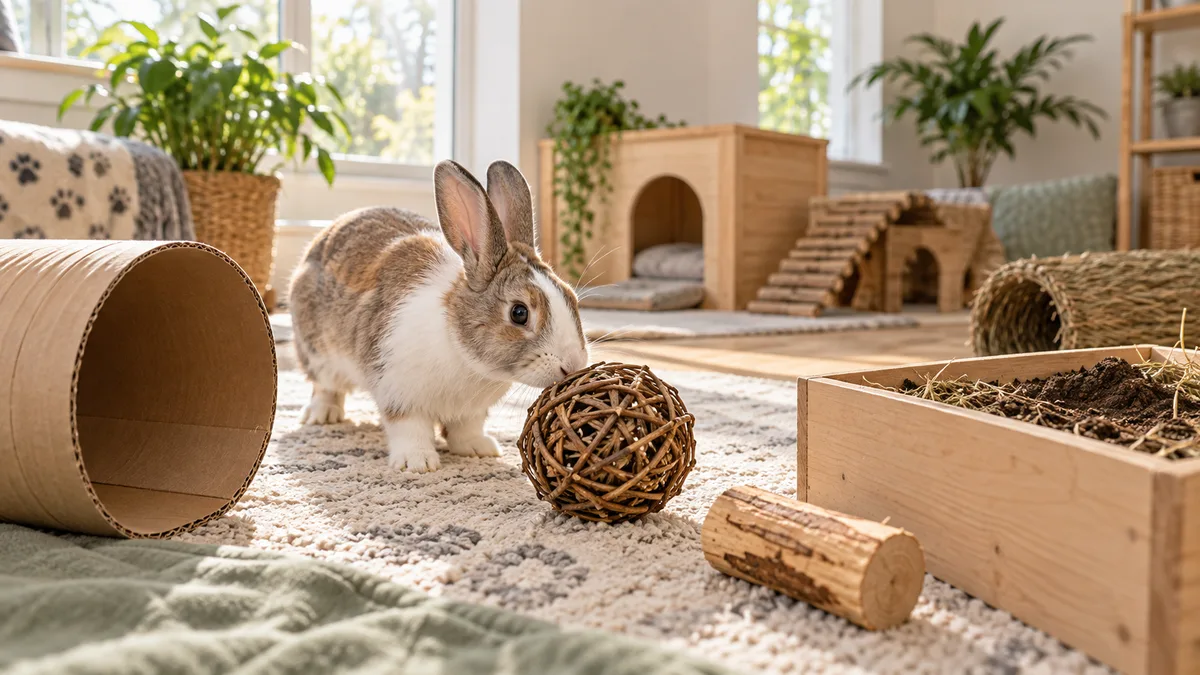
Choosing rabbit toys: start from the behaviour they channel, rule out risky materials, introduce a new object under supervision, and know when to take it away.
Adopting a neutered rabbit saves £80–£200 and a recovery period. But a recently castrated male stays fertile for up to six weeks — here is what to verify.
Budget £850–£1,700 for your first year with a rabbit. The problem is not the total but how it clusters: roughly half of it lands in the first three months.
A working day is fine. Twenty-four hours is the absolute maximum. What sets the limit is not boredom but how long an emergency would go undetected.
Pet rabbits typically live 8 to 12 years. What veterinary studies actually show about age at death, the main risk factors, and what prevention changes.
Insuring a rabbit comes down to one question: could you find £500–£1,500 within 48 hours? Screening criteria, common exclusions and a credible alternative.
A line-by-line grid of rabbit veterinary costs: predictable care, unpredictable emergencies and the reserve to hold. What exotic status changes about the bill.
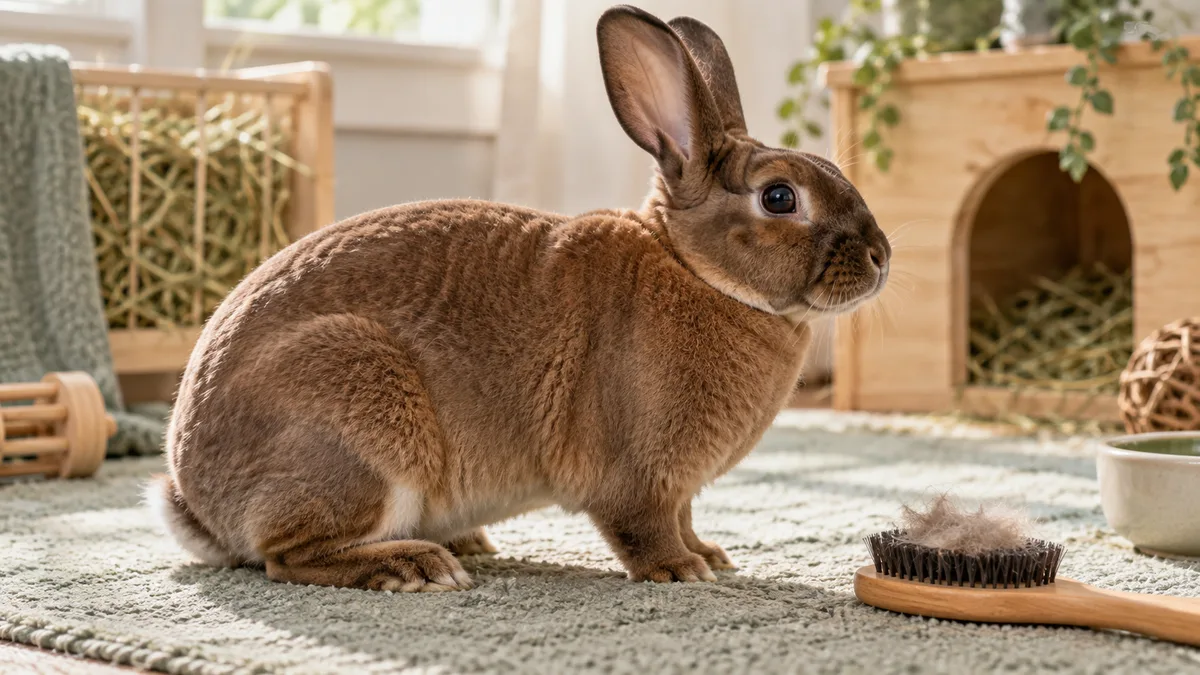
No rabbit breed is genuinely low-shedding. The Rex needs the least grooming, but season, age and indoor living matter far more than the breed you pick.
Floor space, equipment, daily intake, handling and health risks: what a rabbit's adult size really changes day to day, and the needs it changes not at all.
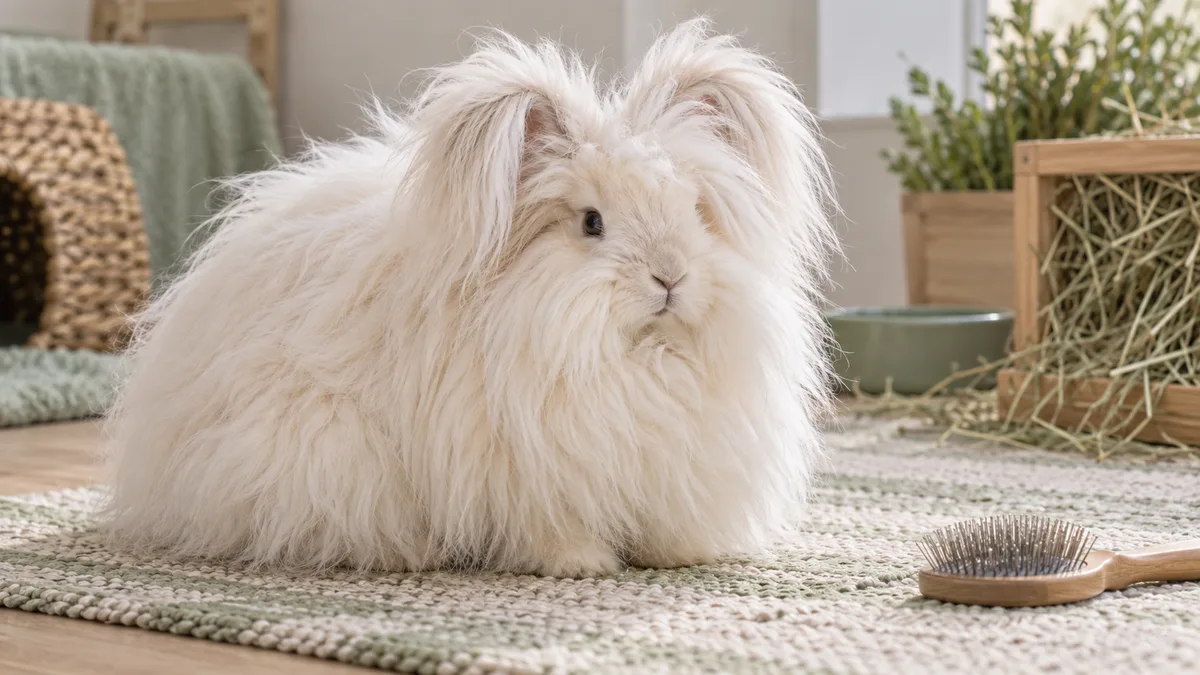
An Angora's wool never stops growing: daily grooming or regular clipping, heat, swallowed fur and flystrike — what this breed really asks of you.
The butterfly pattern appears on rabbits from 1.35 kg to over 6 kg. Sizes, care, and the one health point to know for very lightly marked rabbits.
A Flemish Giant weighs 7 kg or more: space, handling, flooring, budget and a shorter lifespan — the criteria for deciding whether it suits your home.
A 4 kg Blanc de Hotot or a one-kilo Dwarf Hotot: two rabbits under one name. Origins, black-ringed eyes and what an all-white coat reveals early.
You don't get a rabbit back in by chasing him. Why he refuses, how to build a calm evening routine, and the fallback for when he has to go in right now.
Hay carried to a corner, fur pulled from the dewlap, sudden grunting: how to spot a false pregnancy, rule out a real one, and know when to call the vet.
Rabbit hiding constantly: how to tell normal prey behaviour from a medical warning, what the room is missing, and the well-meant moves that make it worse.
Six things a contented rabbit actually does, why a quiet rabbit is not a calm one, and a seven-day check that shows exactly what is missing at home.
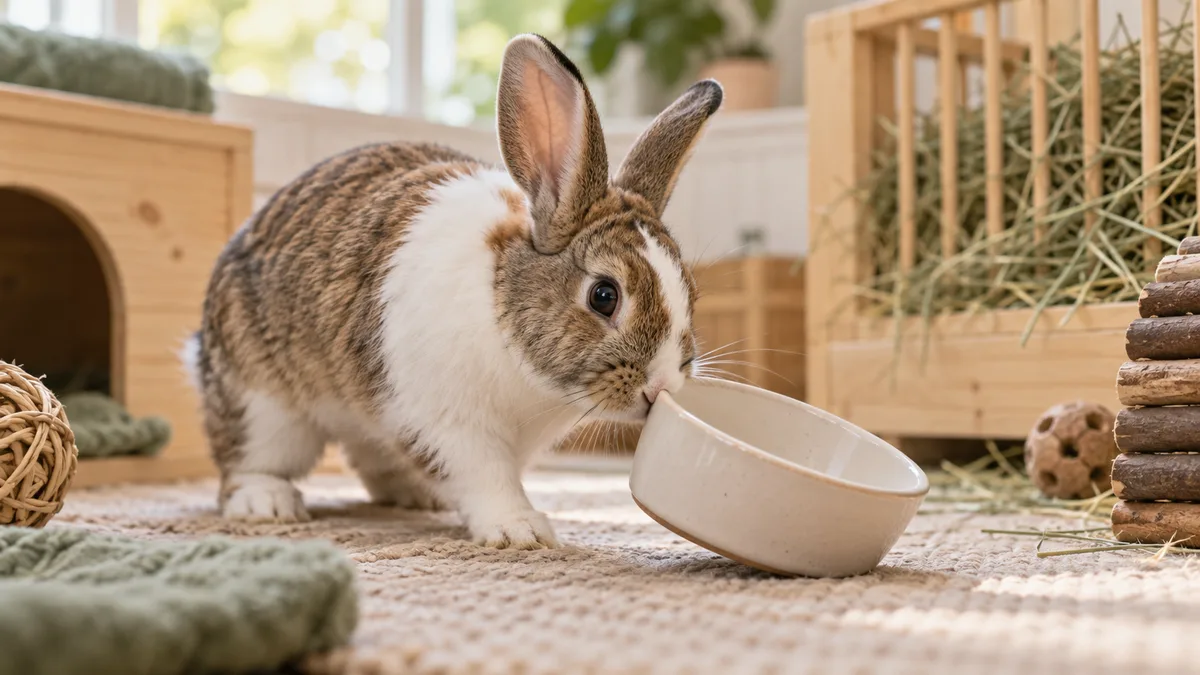
An empty bowl, a light bowl, or a rabbit that needs to forage: why rabbits tip bowls over, the kit that fixes it, and the signs that mean a vet visit.
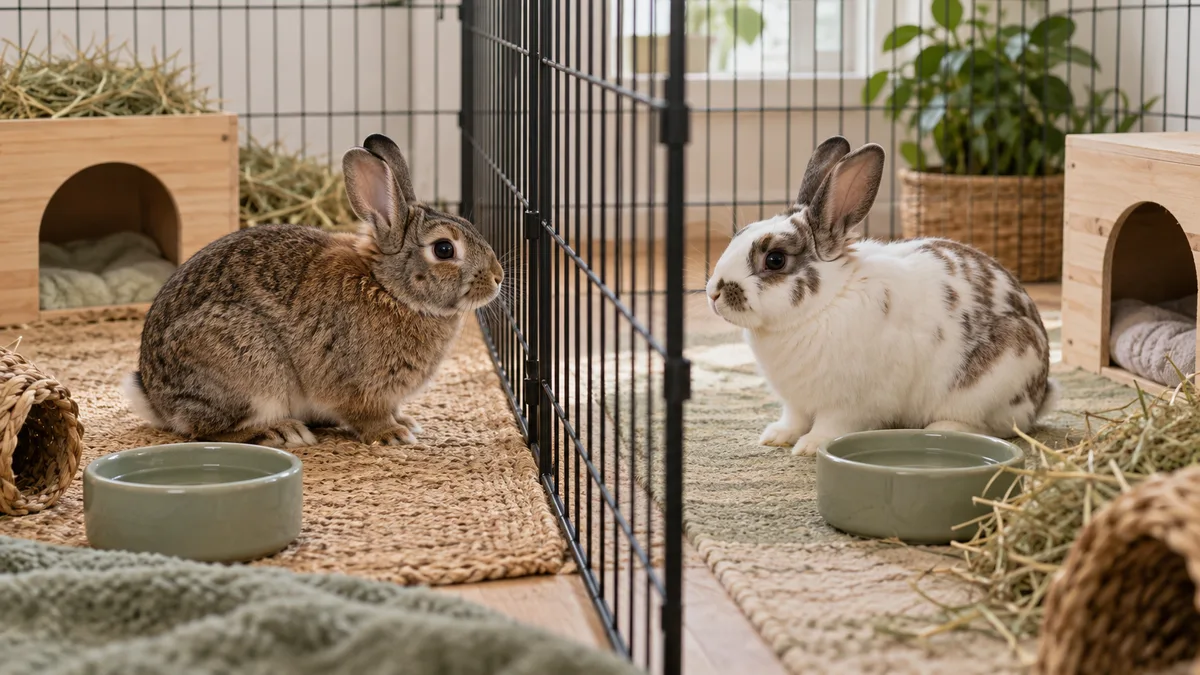
Setting up space for two, spotting tension before it turns into a fight, breaking one up safely and rebuilding a broken bond: life after the introduction.
A limping rabbit is hiding pain. How to spot which leg is affected, sort the causes, set the right appointment window and avoid the moves that make it worse.
Head tilt in rabbits is a same-day emergency. How to make your rabbit safe, which causes the vet must tell apart, and how to nurse a tilting rabbit at home.
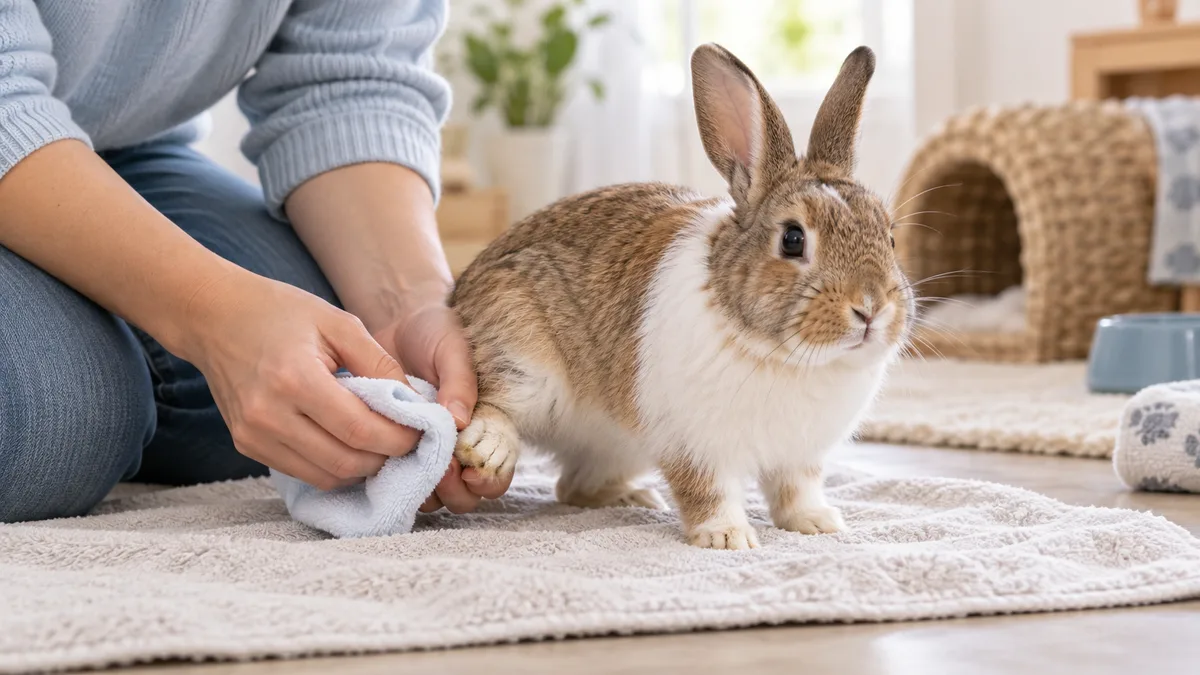
Rabbits should not be bathed: a full bath is genuinely dangerous. When spot cleaning is justified, how to do it safely, and what a soiled bottom really means.
Bloated belly in rabbits: how to tell real bloat from a simply round tummy, what to check alongside it, and which signs mean calling a vet straight away.
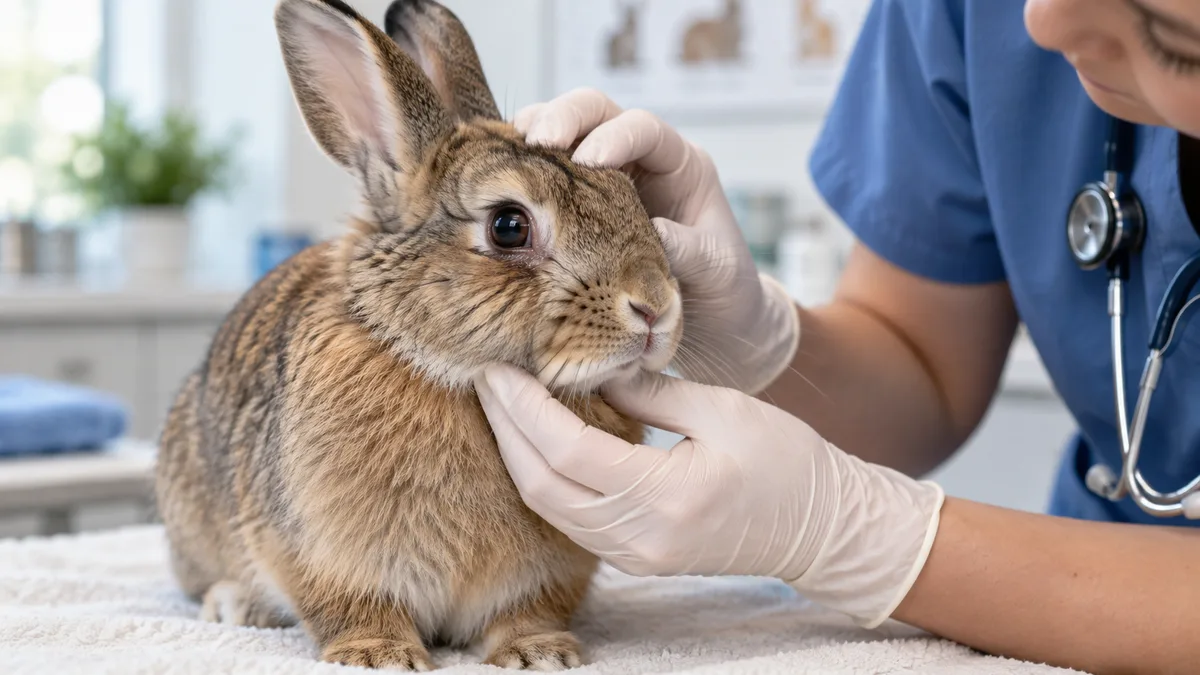
Rabbit with a weepy eye: sort it by what the discharge looks like, one eye or both, and what comes with it, so you know when to call and how urgently.
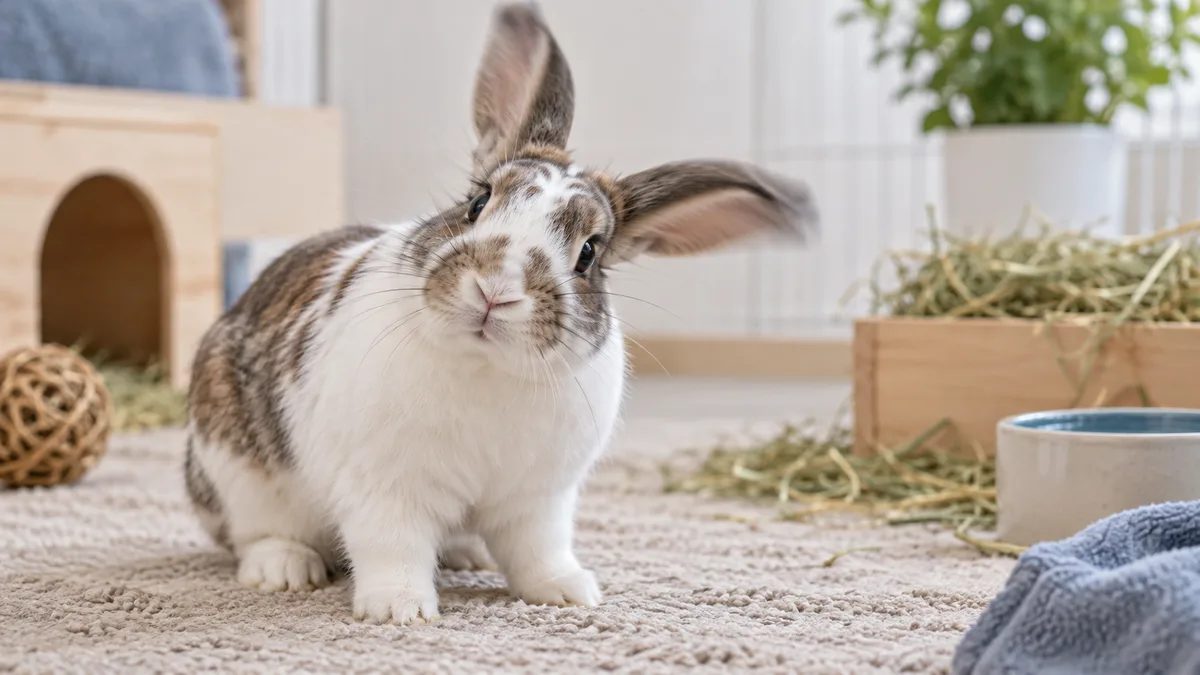
Rabbit shaking its head: tell the ordinary shake from an ear problem, sort the causes by what comes with it, and know when a head tilt means calling today.
Rabbits living with a cat or a dog is a question of layout, not temperament. Safe zones, introductions, exercise shifts and the signs it is not working.
Which room, which wall, how far from a radiator: how to choose where a rabbit's pen goes, and the six places to rule out before you unpack anything.
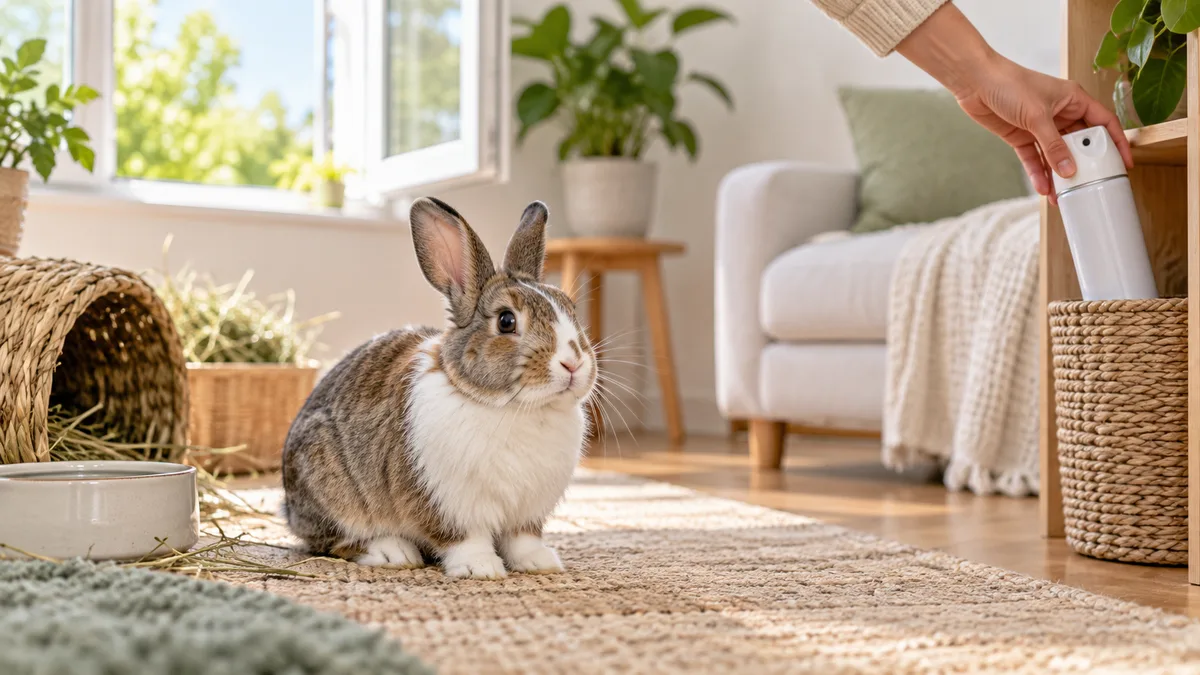
Aerosols, plug-ins, scented candles and scented litter belong out of a rabbit's room, 'natural' included. Why rabbits are more exposed, and what fixes odour.
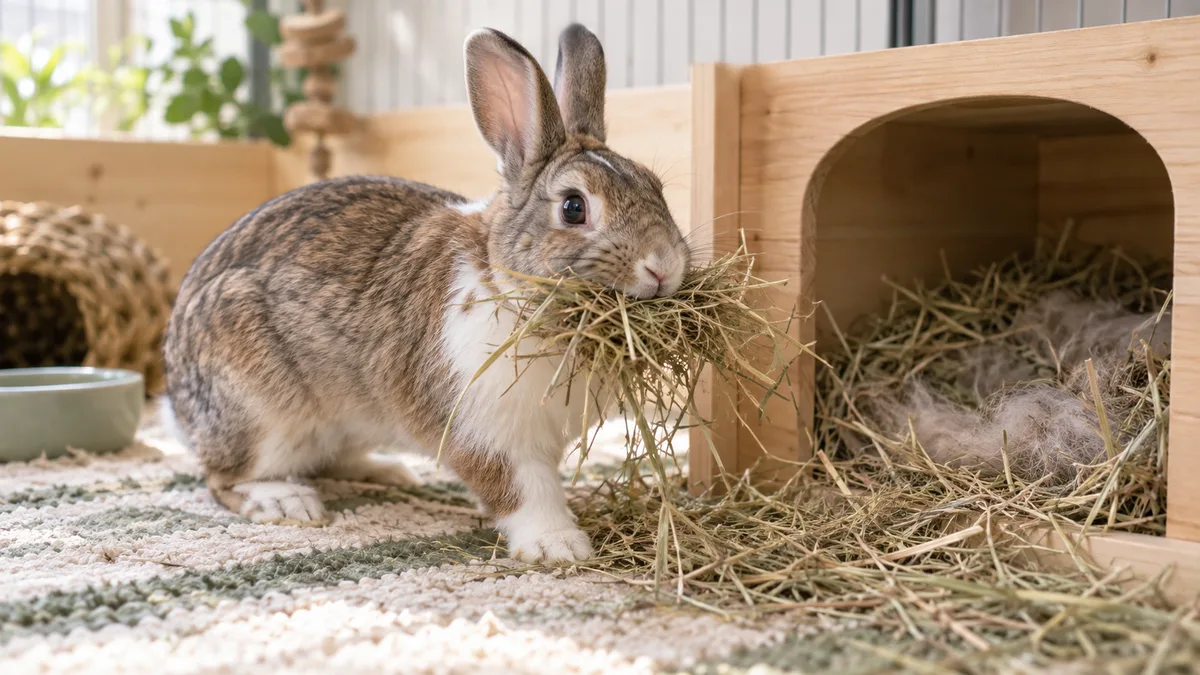
Nibbling a few strands and replacing hay with litter are not the same. Learn which material to remove, what to check first and when to call a vet.
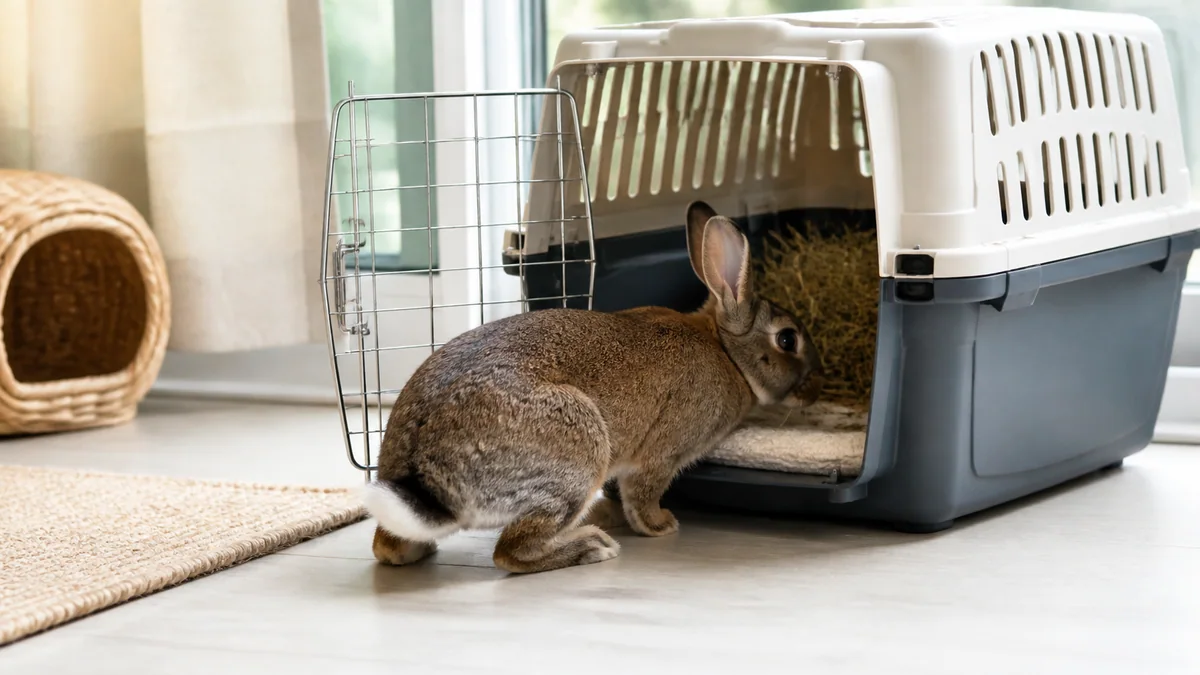
A rabbit walks into its carrier on its own if the box lives in its space. The four-step training plan, the mistakes to avoid and what to do in an emergency.
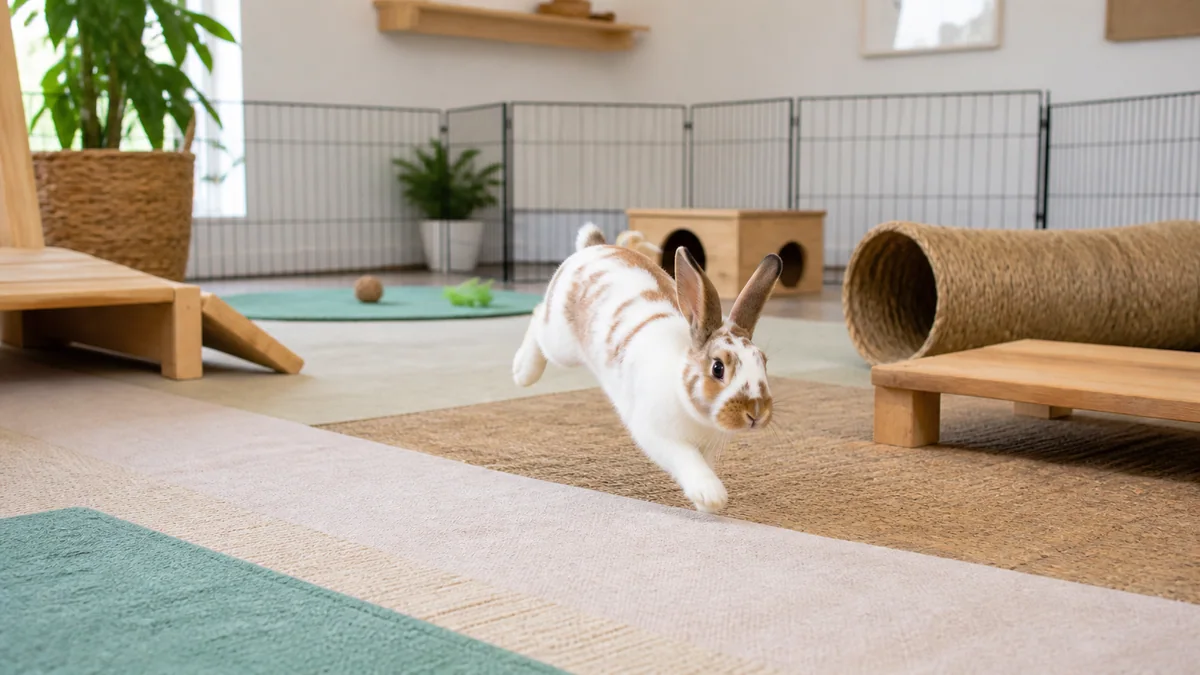
A rabbit needs at least 3 hours out of its pen a day, and more if you can. How to split the sessions, adjust them for age and fit them around a working day.
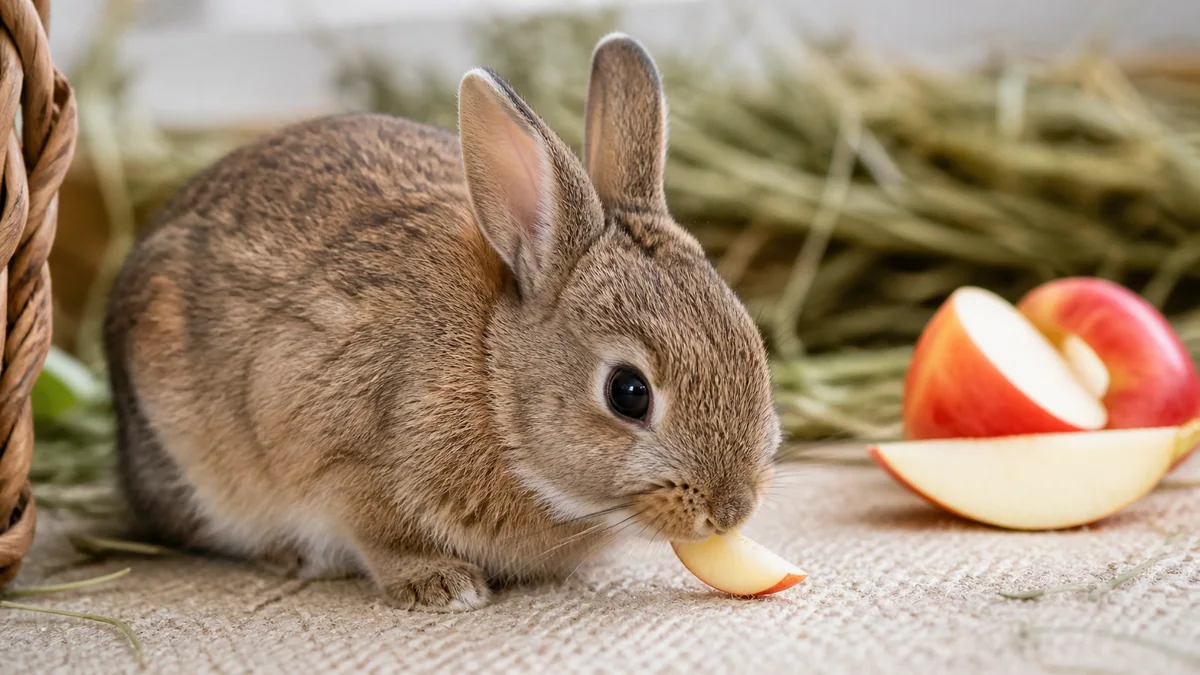
Apple flesh is safe for rabbits — but seeds are toxic and must always be removed. High in sugar, apple is a rare treat, not a daily green. Amounts and tips.
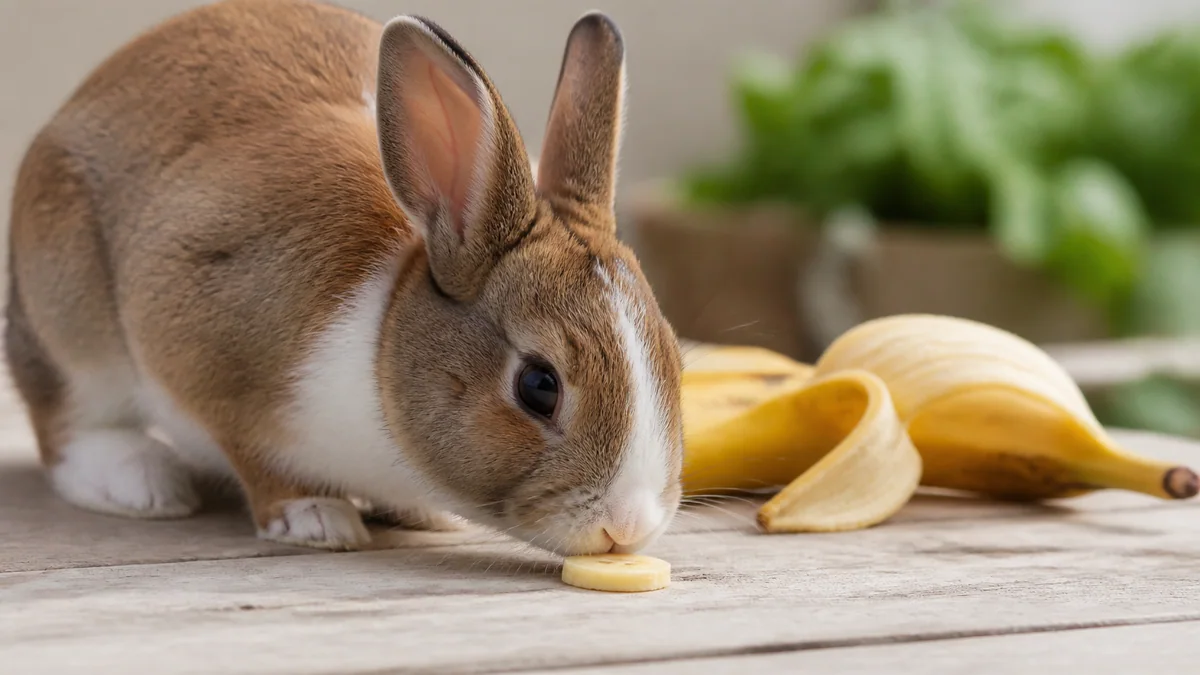
Banana is safe for rabbits but very high in sugar. A small occasional slice is fine; regular feeding is not. Portions, frequency, and key precautions.
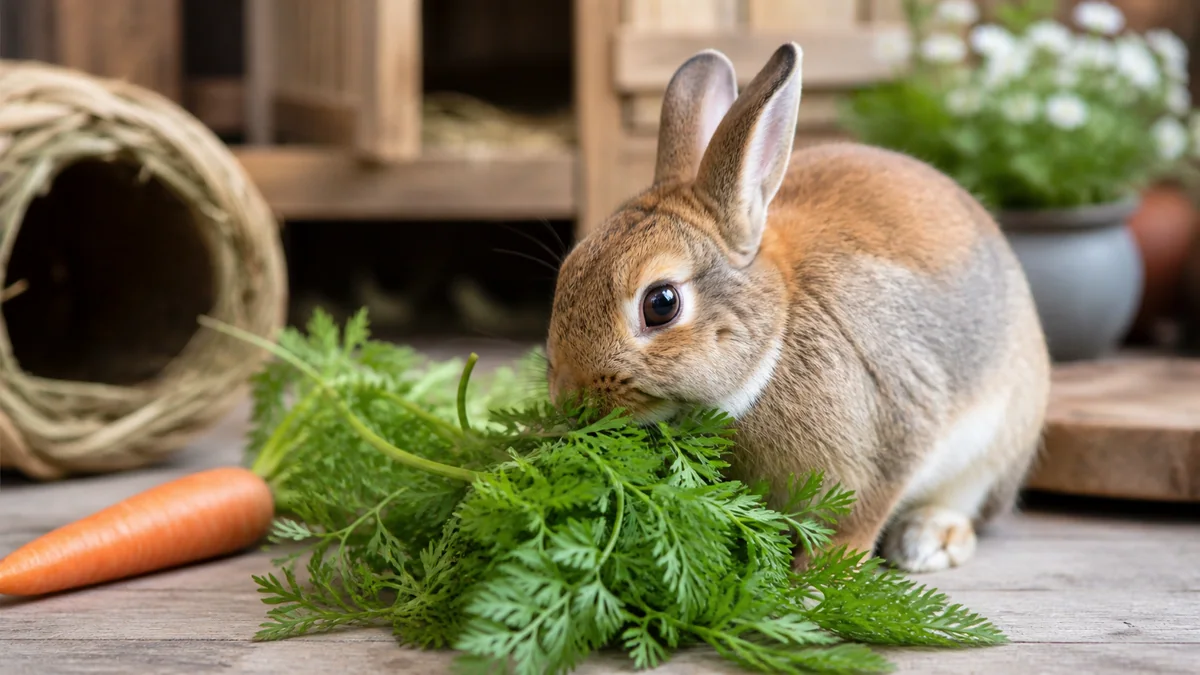
Carrot tops are an excellent green for rabbits — low in sugar, rich in fiber and vitamins, far better than the carrot root. Full guide with portions and tips.
Dandelions are one of the best plants you can give a rabbit — all parts are edible and highly palatable. High calcium calls for rotation. Full guide with tips.
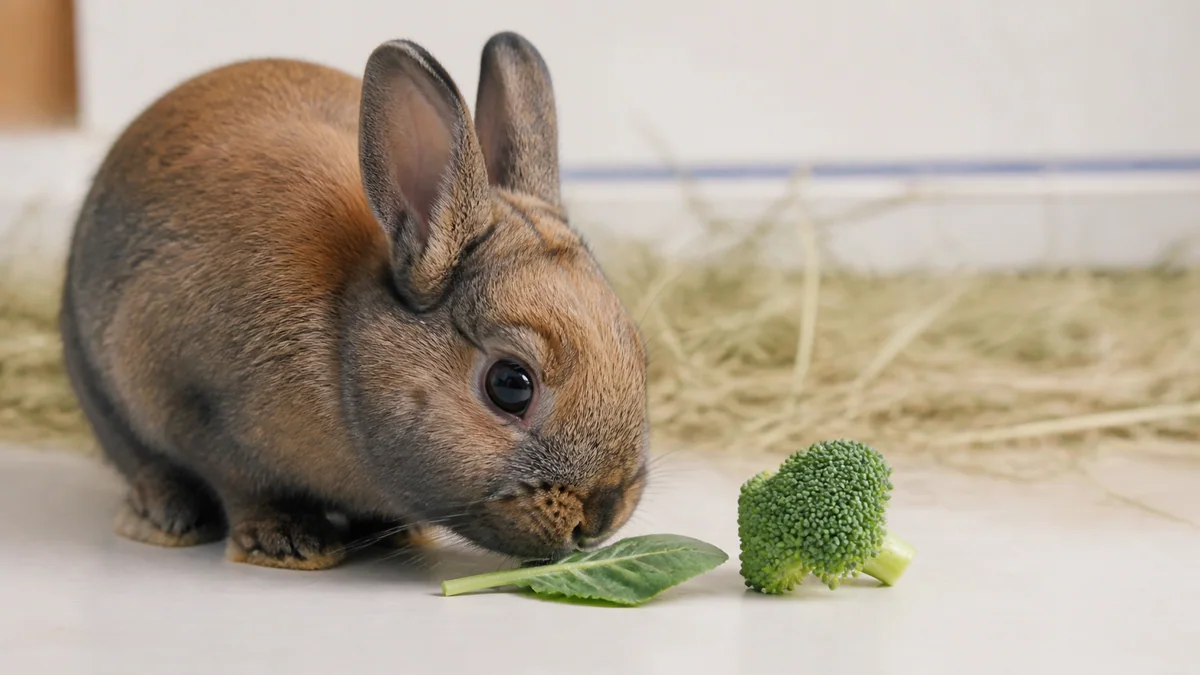
Broccoli is safe for rabbits but can cause gas. Which parts to give, how much to offer, and what warning signs to watch for — a practical guide.
Carrots are safe for rabbits but far too sugary to feed daily. Frequency, portion size, and why carrot tops are a much better choice — all explained.