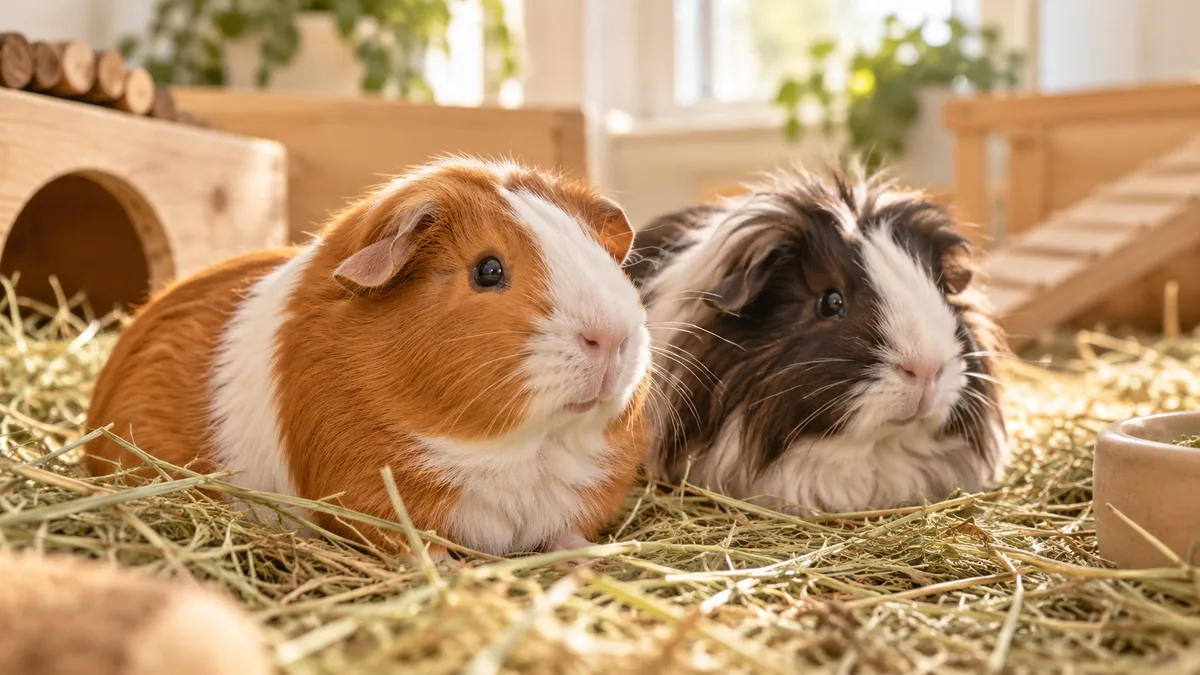
How long do guinea pigs live? Lifespan and commitment
Guinea pigs live 4 to 8 years on average, according to the PDSA. What that range means, and what it involves for care, pet-sitting and the group.
Cavia porcellus
What to know before adopting guinea pigs: group living, vitamin C, space, temperature, lifespan and health.
The guinea pig is a small, sociable herbivore that must live with at least one companion of its own kind and get vitamin C from its diet every day, because its body cannot make it. It lives 4 to 8 years on average and needs more space than most cages sold for it allow.
It shares the rabbit’s ever-growing teeth and hay-based diet, but differs on points that change everyday care. The two species should not be housed together.
The Merck Veterinary Manual counts at least 13 recognised breeds, from short smooth coats to long hair, Abyssinian rosettes and hairless varieties. All share the same anatomy and needs. Breed mainly changes coat care: the PDSA recommends daily brushing for long-haired guinea pigs and once or twice a week for short-haired ones.
Before adopting
Feeding
Housing and social life
Health
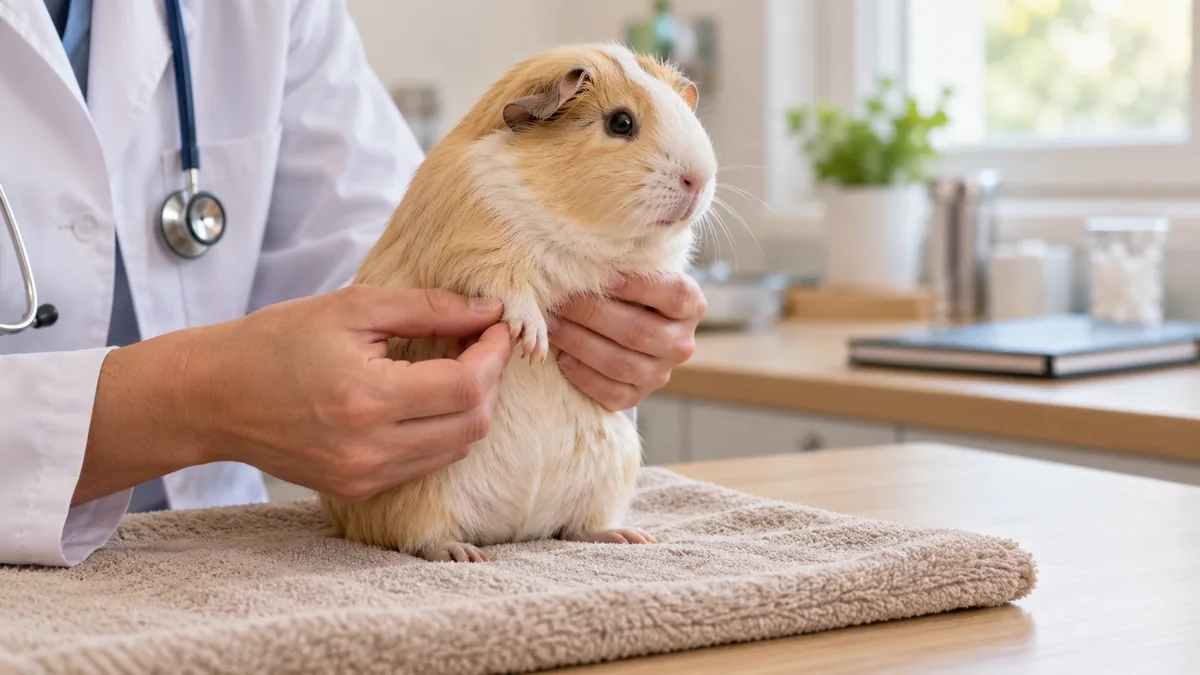
Guinea pigs live 4 to 8 years on average, according to the PDSA. What that range means, and what it involves for care, pet-sitting and the group.
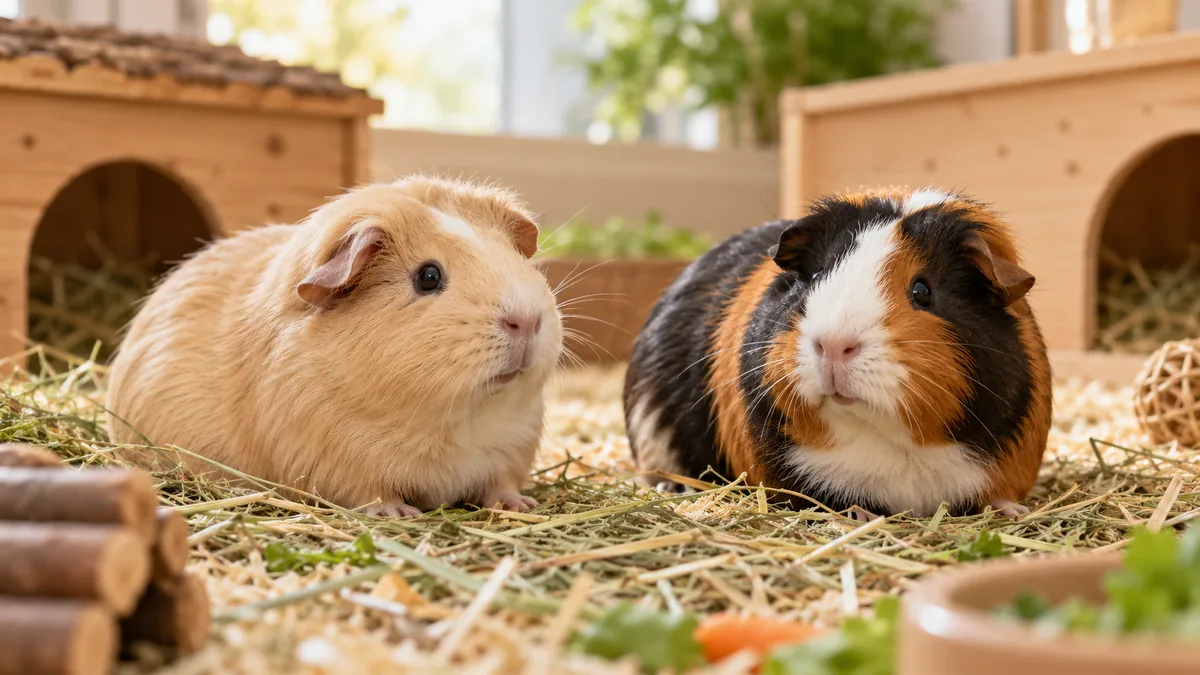
Two females, two males, a neutered male with females: how many guinea pigs to adopt, which pairings work and what to check before they move in.
Lifespan, company, space, vaccinations, diet, handling: rabbits and guinea pigs compared on the same criteria, with sources for each species.
A guinea pig needs at least one compatible companion. What to do if it lives alone, after a death, during a separation or when they do not get on.
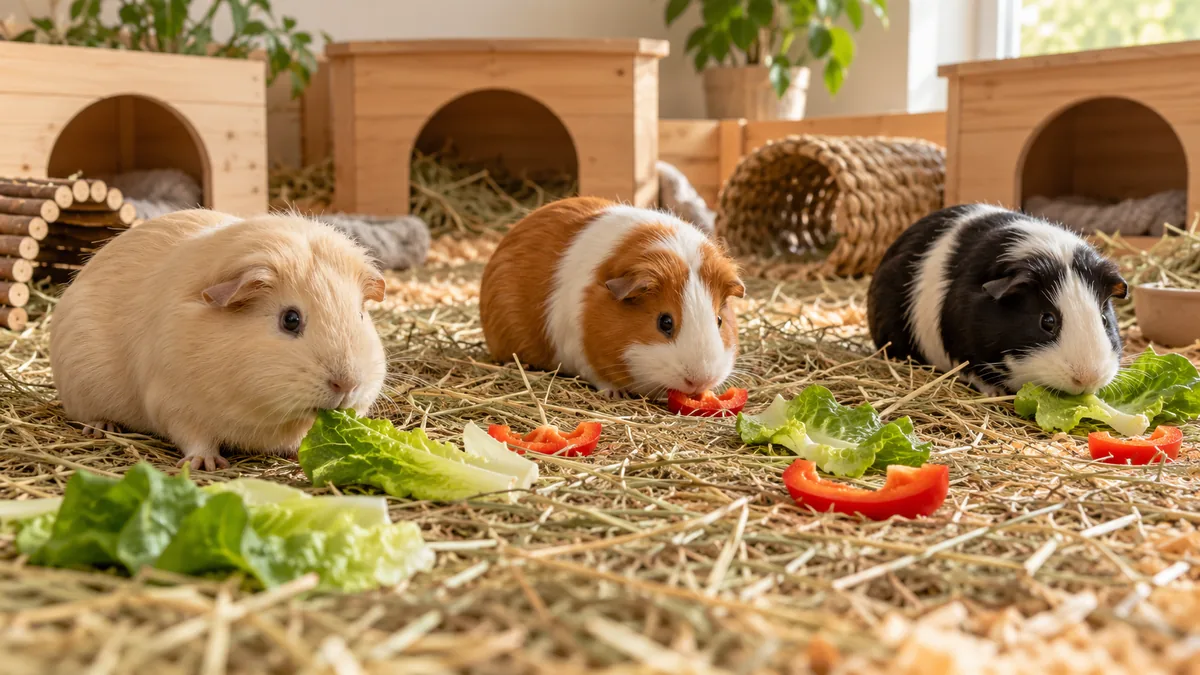
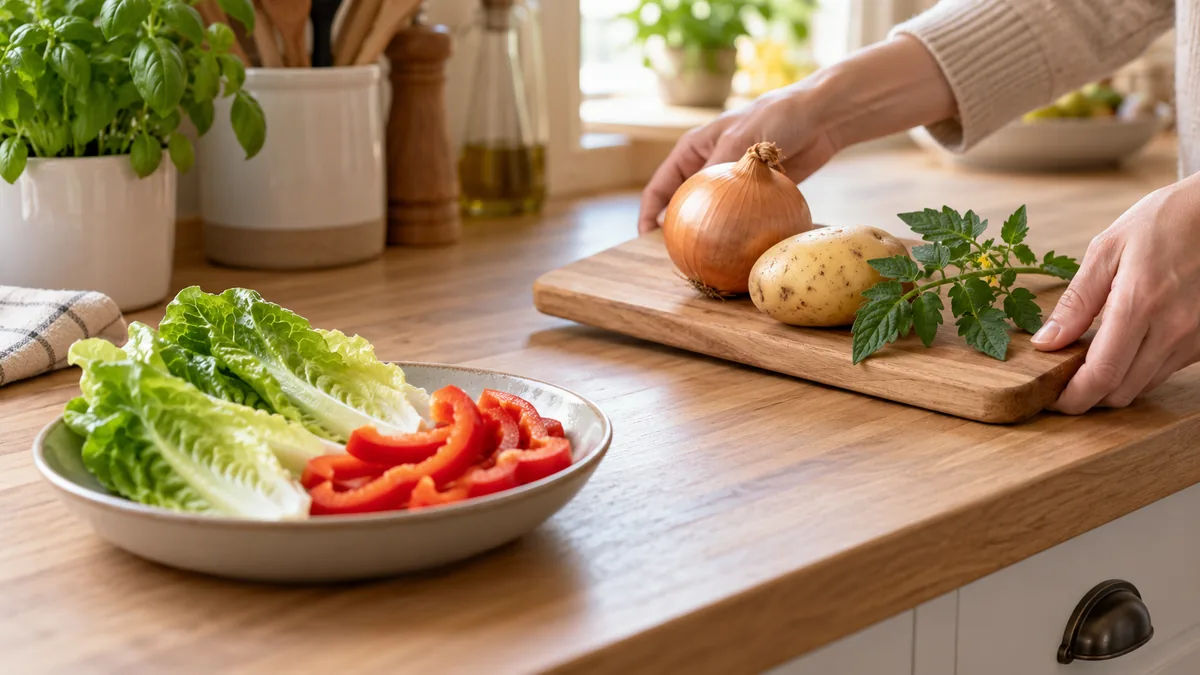
Potato, garlic, avocado, tomato vines, iceberg: the foods not to give a guinea pig, why according to the sources, and what to do if one is eaten.
Guinea pigs cannot make vitamin C. Daily needs by source, pellets, vegetables, when to consider a supplement and why it should never go in the water.
Unlimited hay, fresh vegetables, a small portion of pellets and water: a guinea pig's daily diet, with the reference amounts from veterinary sources.
Vegetables to give often, as treats or not at all, with their vitamin C and calcium content from the ANSES-Ciqual 2025 food composition table.
A guinea pig that eats less or stops eating needs a vet without delay. What to tell the vet, what not to do, and why it is urgent in this species.
Rough coat, limping, bleeding gums, loss of appetite: the possible signs of scurvy in guinea pigs, why they need a vet and how to prevent it.
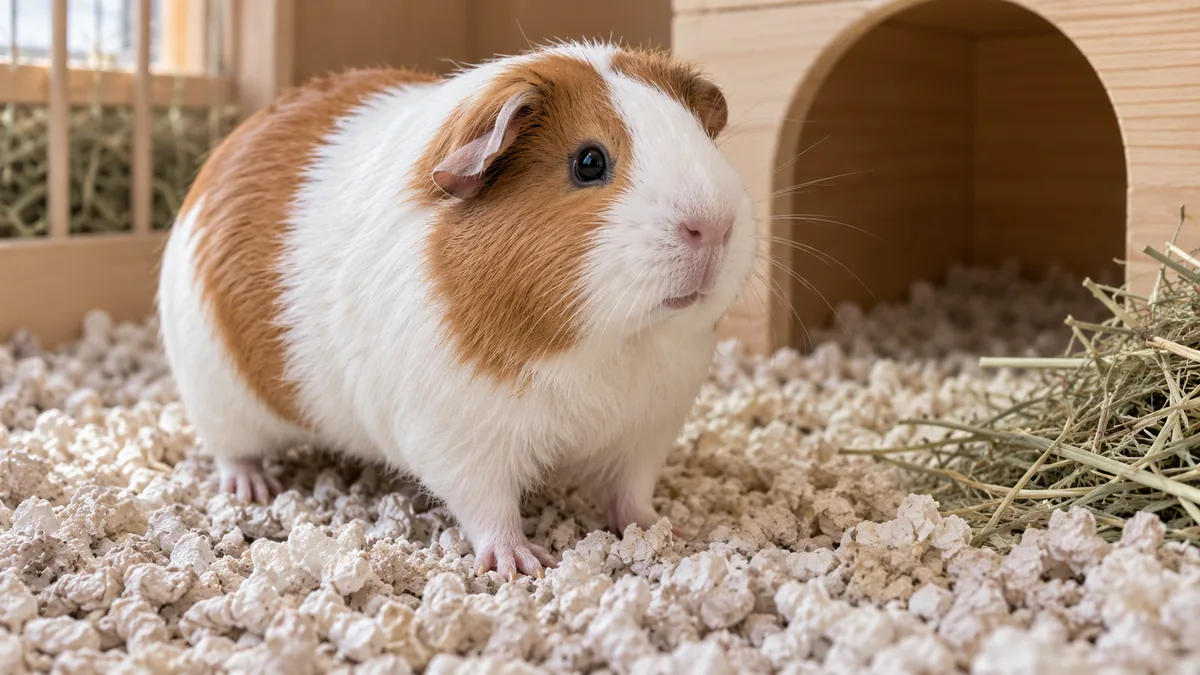
Paper, dust-free shavings, hay, sawdust, straw: which bedding suits a guinea pig, what veterinary sources say, and which materials to avoid.
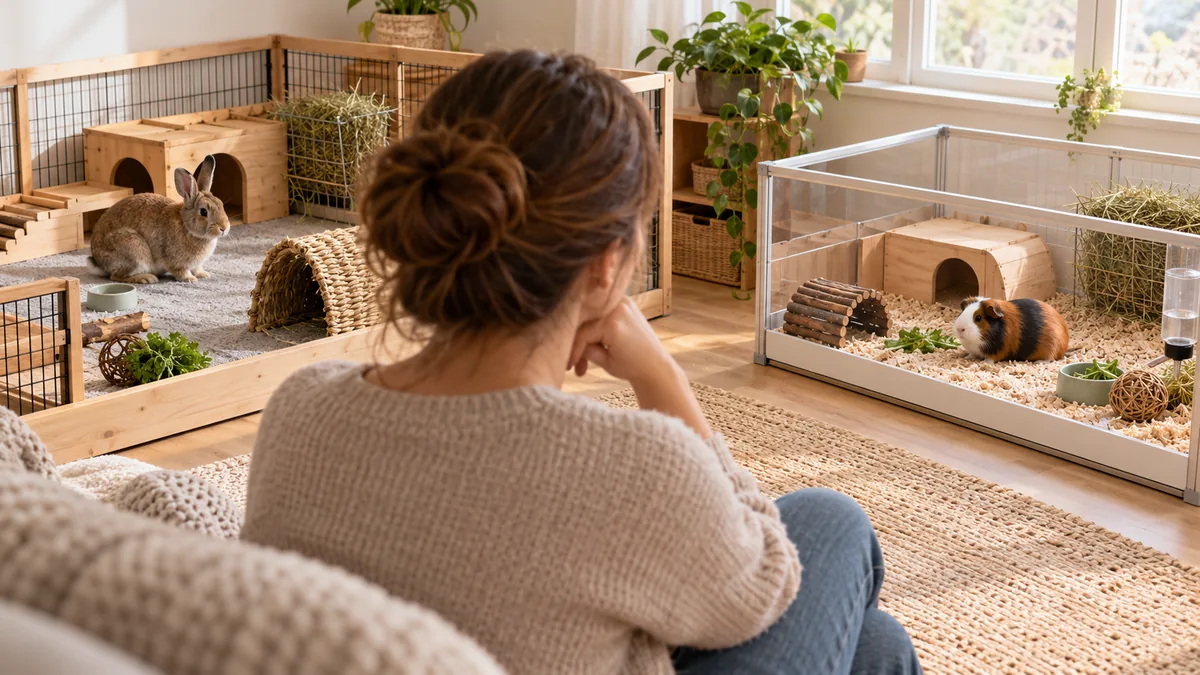
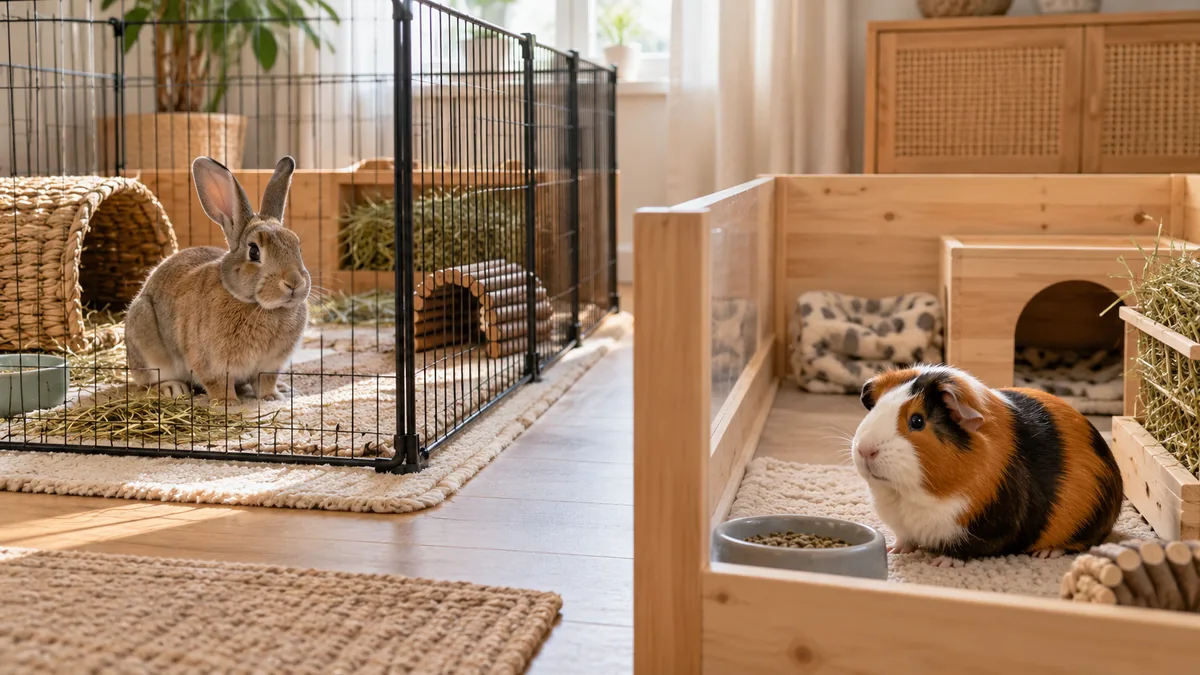
Why a rabbit and a guinea pig should not be paired up, and what to do if yours already live together and get on well, or if they fight or fall ill.
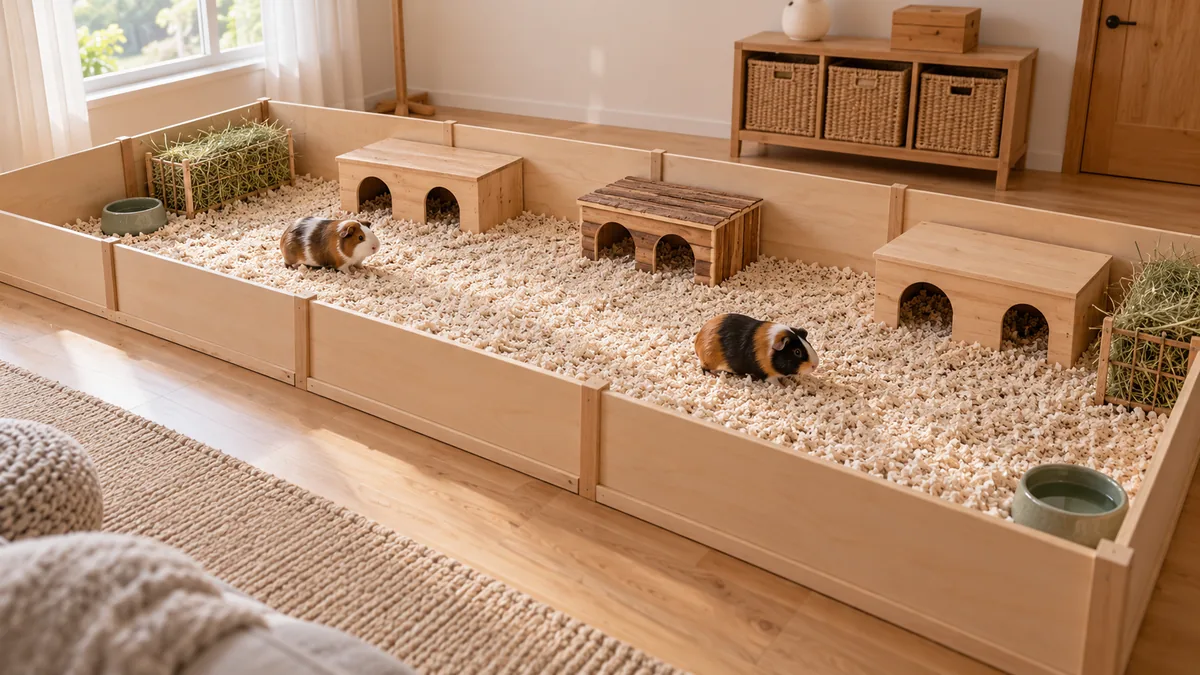
A minimum cage plus daily exercise (Merck) or a permanent hutch and run (PDSA): sizes for two guinea pigs, a dimensioned plan and a checklist before buying.