Which Rabbit Breed Sheds the Least?
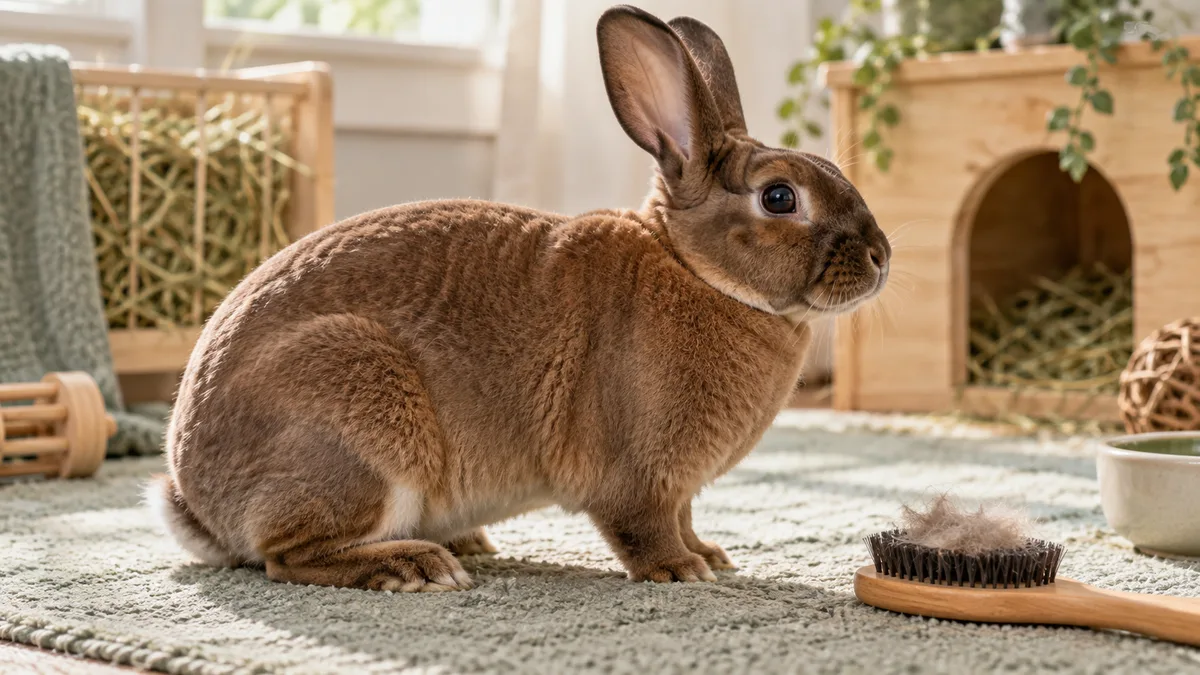
No rabbit breed is genuinely low-shedding. The Rex needs the least grooming, but season, age and indoor living matter far more than the breed you pick.
Compare rabbit breeds by adult size, grooming needs and conformation-related predispositions.
Choosing a rabbit breed should not be based only on appearance. Adult size, coat care, body shape and space needs strongly affect daily life.
This section will compare breed profiles and connect visual preferences with real housing, budget and health constraints.
No rabbit breed is genuinely low-shedding. The Rex needs the least grooming, but season, age and indoor living matter far more than the breed you pick.
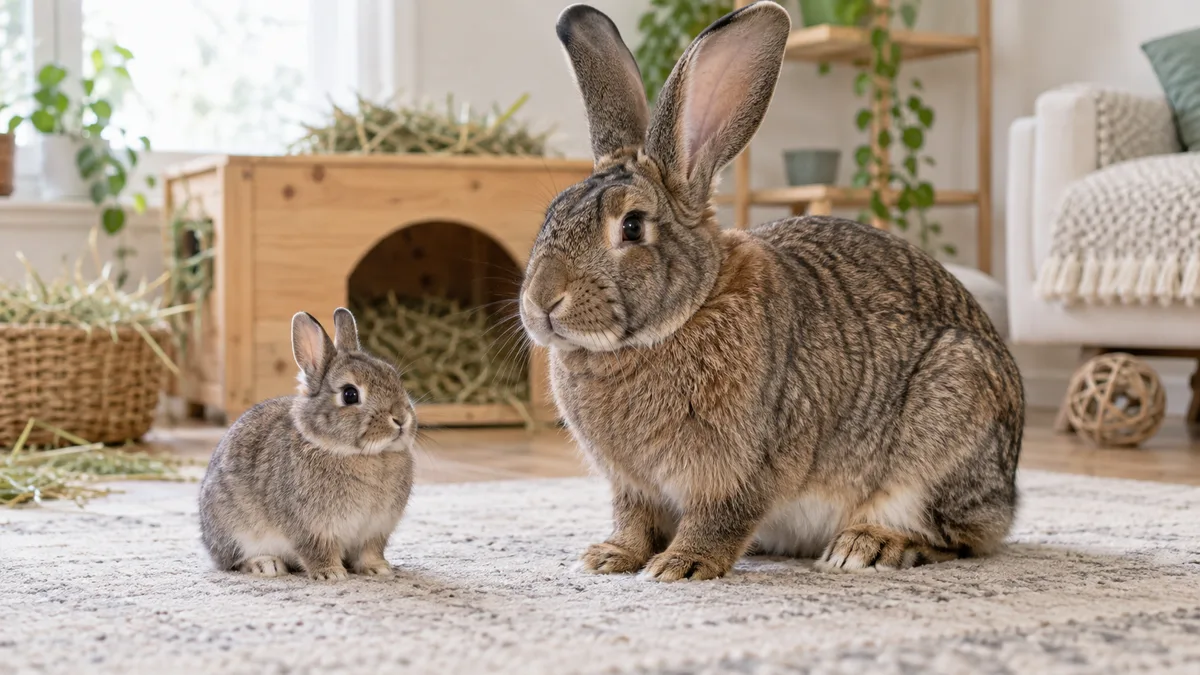
Floor space, equipment, daily intake, handling and health risks: what a rabbit's adult size really changes day to day, and the needs it changes not at all.
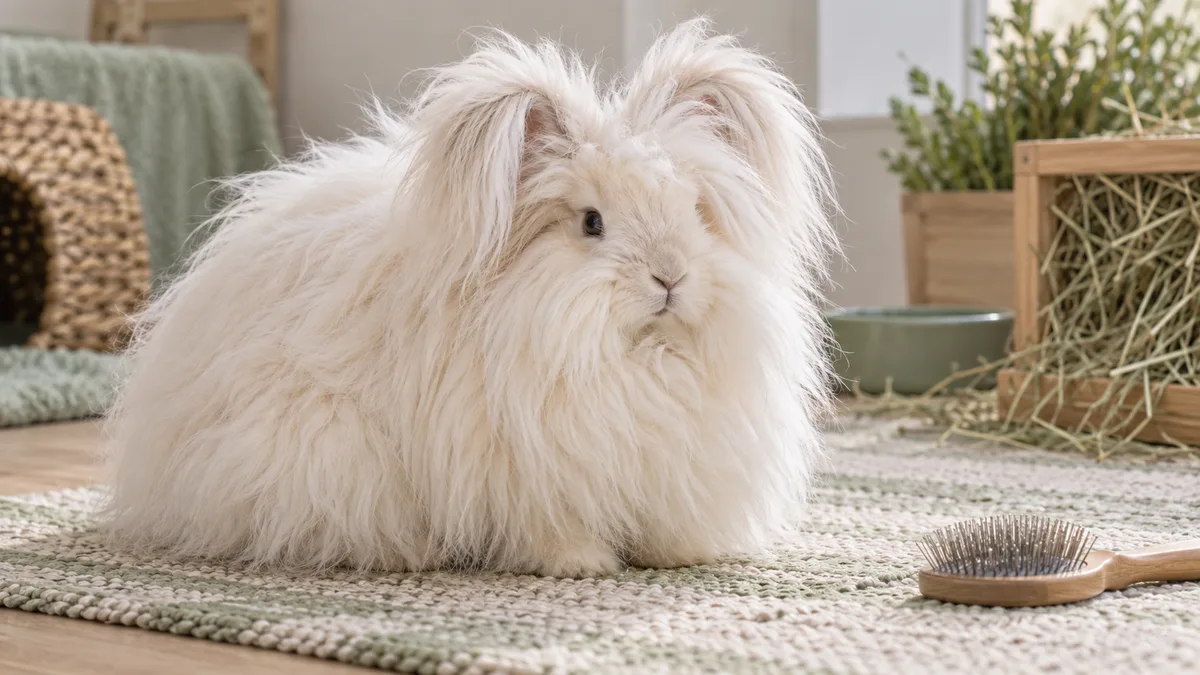
An Angora's wool never stops growing: daily grooming or regular clipping, heat, swallowed fur and flystrike — what this breed really asks of you.
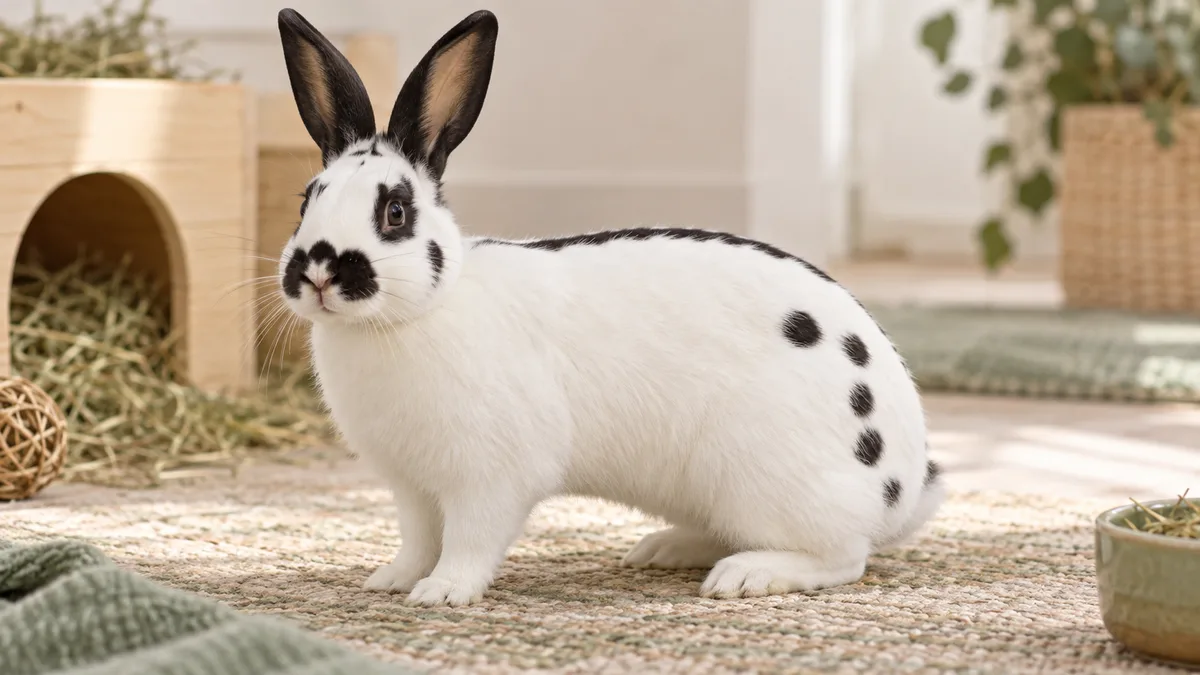
The butterfly pattern appears on rabbits from 1.35 kg to over 6 kg. Sizes, care, and the one health point to know for very lightly marked rabbits.
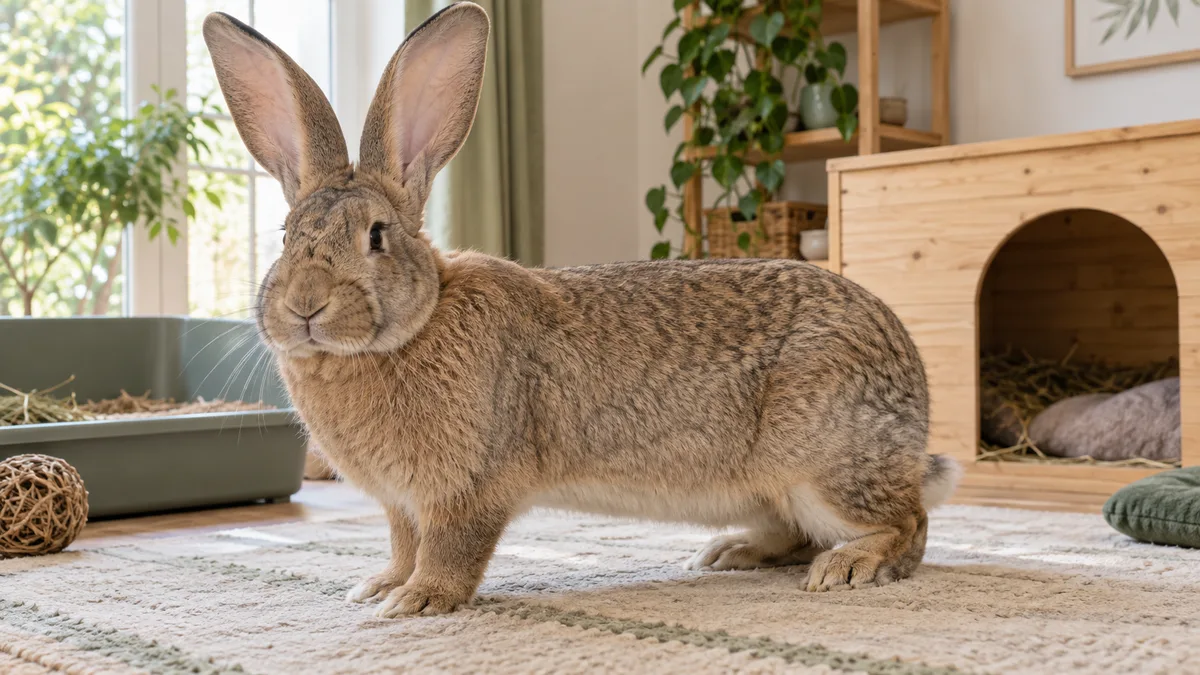
A Flemish Giant weighs 7 kg or more: space, handling, flooring, budget and a shorter lifespan — the criteria for deciding whether it suits your home.
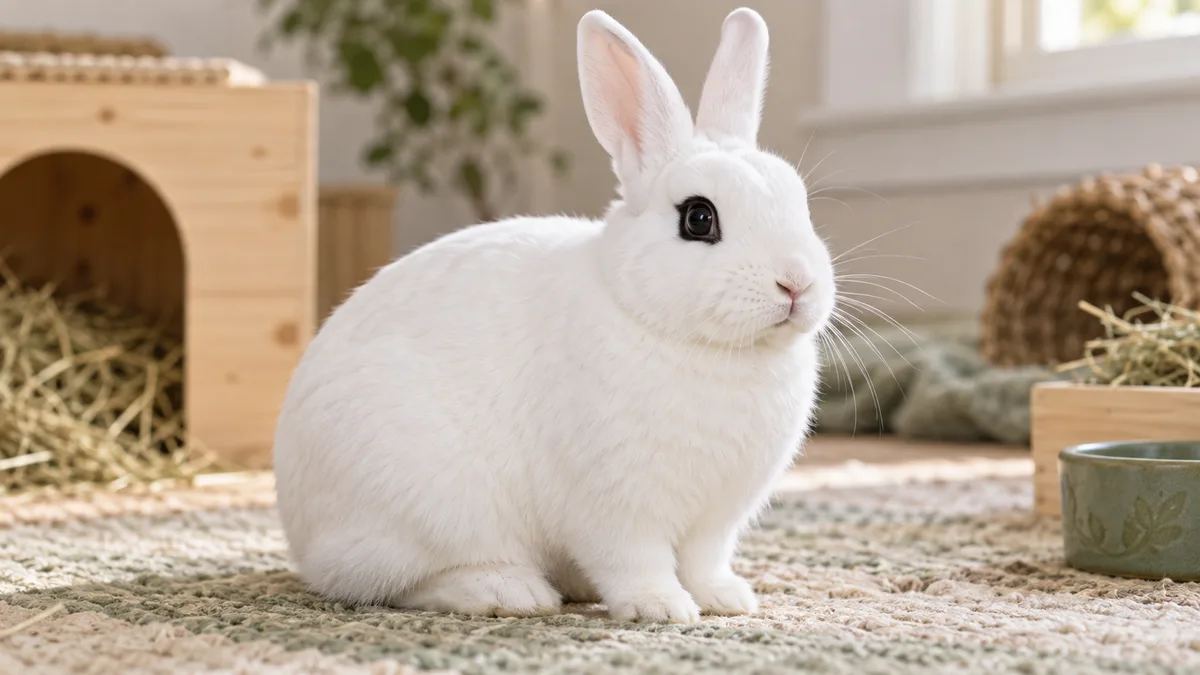
A 4 kg Blanc de Hotot or a one-kilo Dwarf Hotot: two rabbits under one name. Origins, black-ringed eyes and what an all-white coat reveals early.
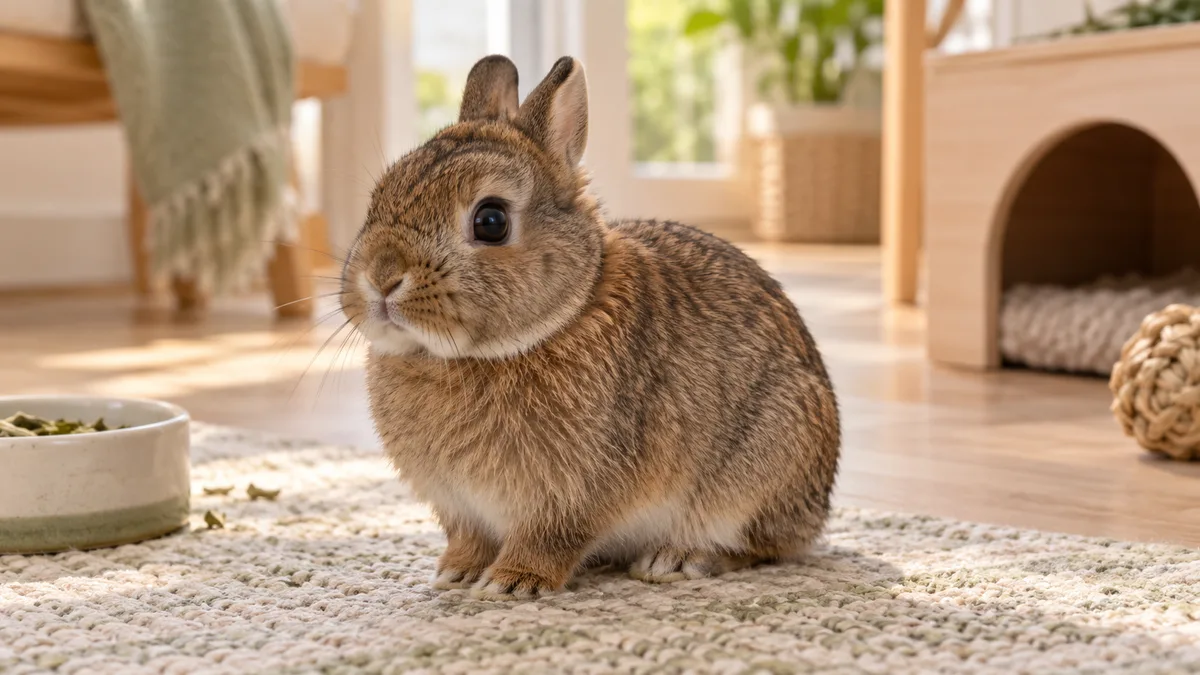
The Netherland Dwarf weighs 1 to 1.35 kg. Its dwarf gene explains the “false dwarfs” and is the reason to check the incisors before you adopt.
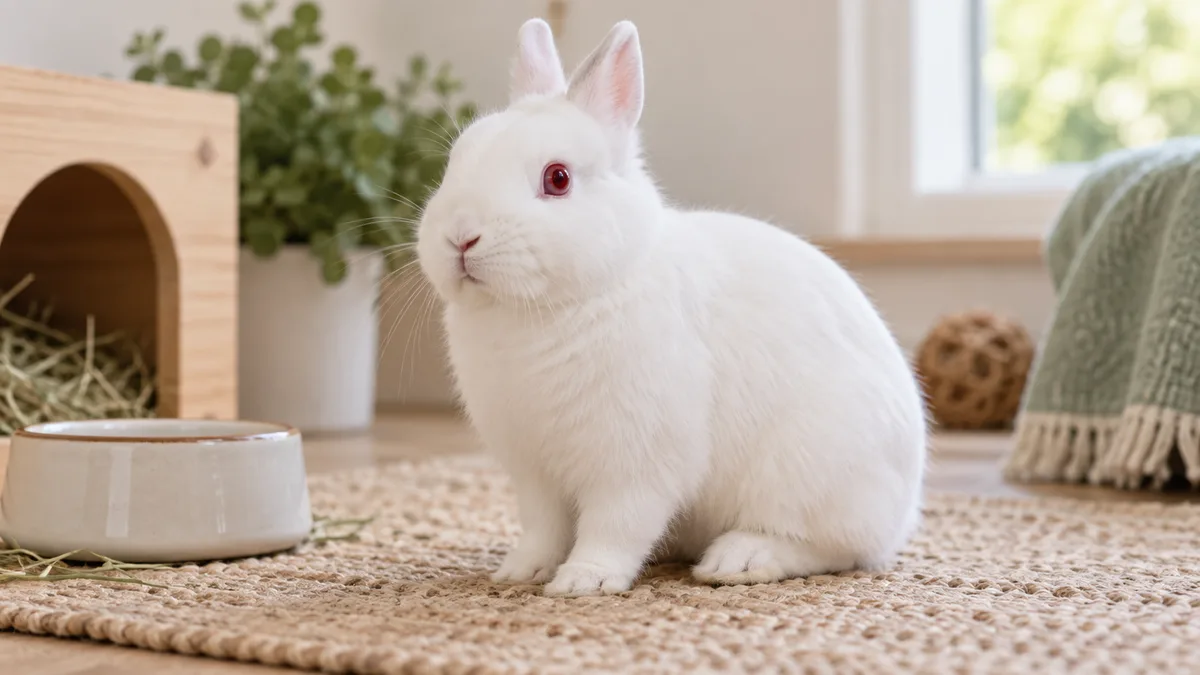
The Polish, or Hermelin, weighs 1 to 1.35 kg and is white with red or blue eyes. The household it suits, what to accept first, and what its eyes change.
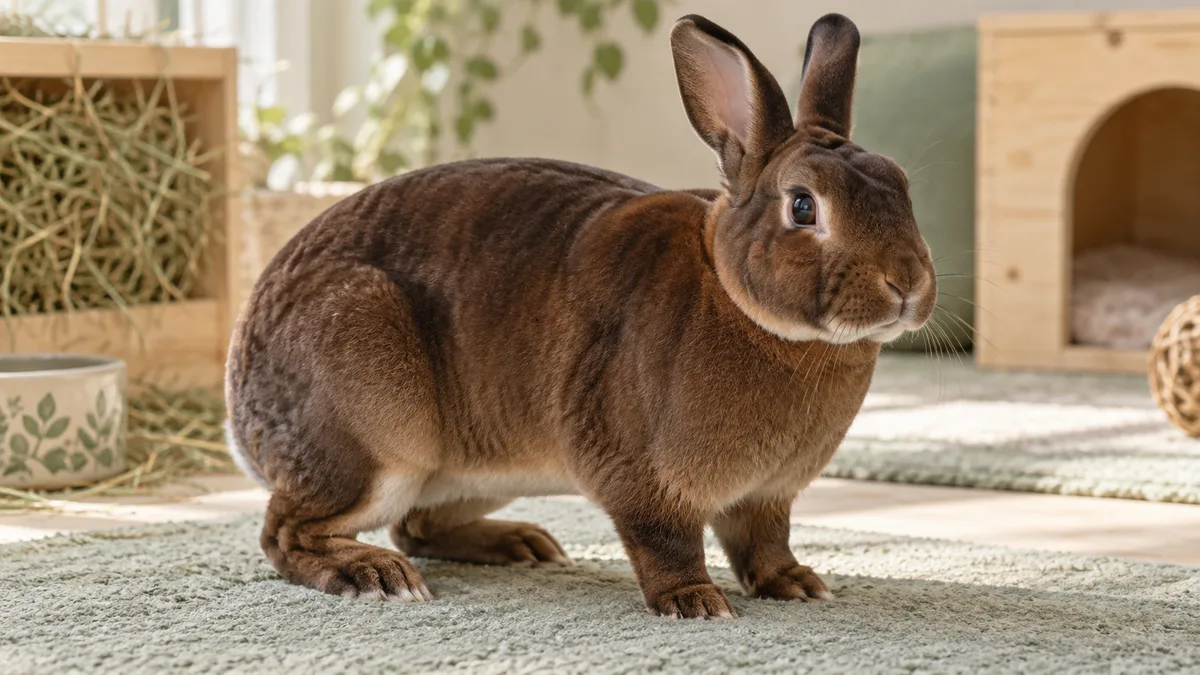
The Rex weighs 3.5 to 4.75 kg and its velvet coat cushions the hocks poorly: flooring, weekly foot checks and light coat care are what really matter.
Dwarf lops in real life: adult weight, what lop ears change about daily care, and the two weekly checks this conformation makes non-negotiable.
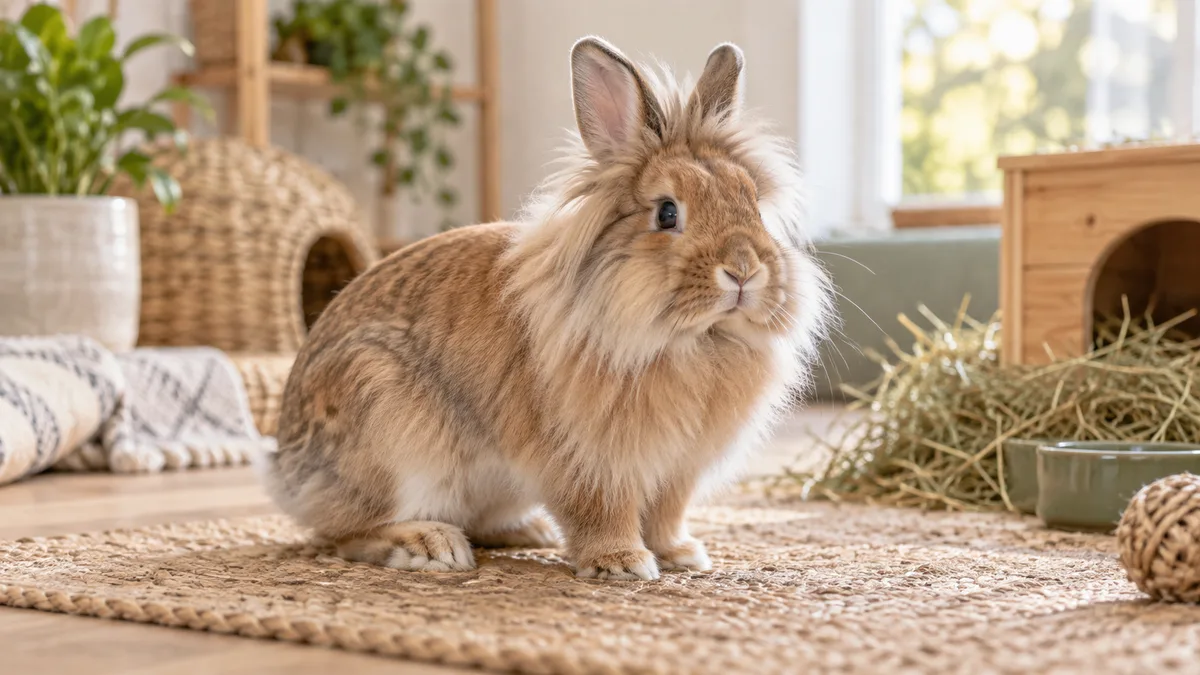
Why two lionhead rabbits can need very different grooming, the three coat areas to check before adopting, and the digestive risk behind a long coat.
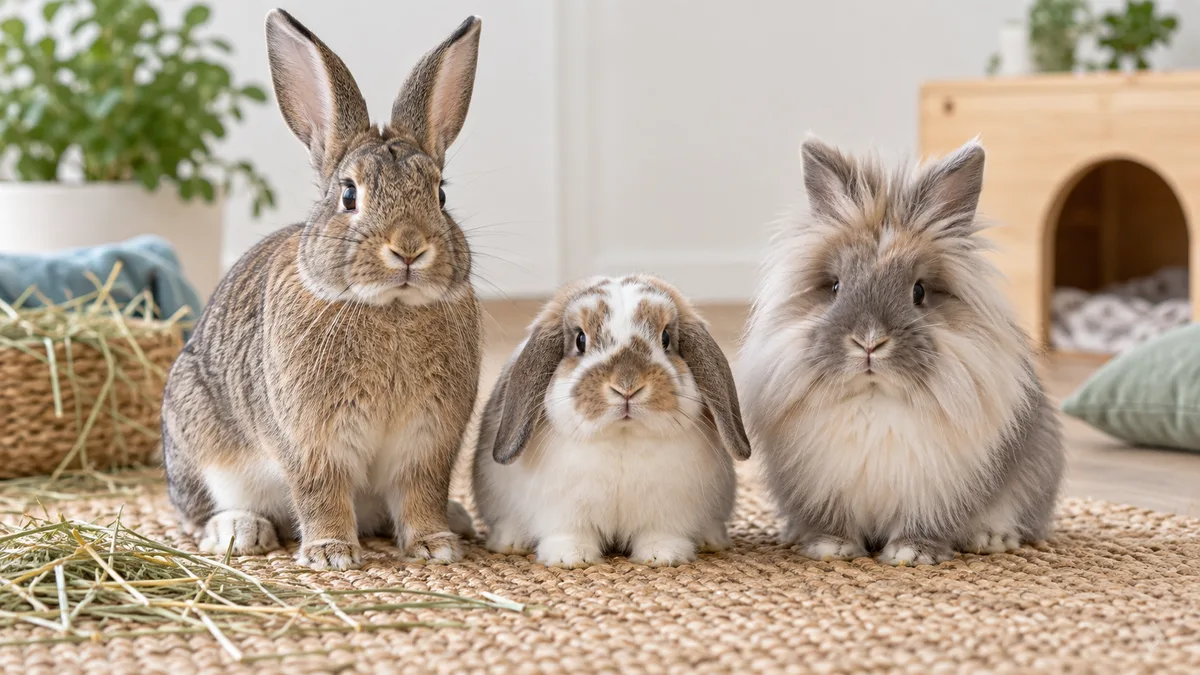
A practical guide to rabbit breeds: adult size, coat type, head and ear shape, and why a breed name tells you about care needs but not temperament.