Which houseplants are toxic to rabbits?
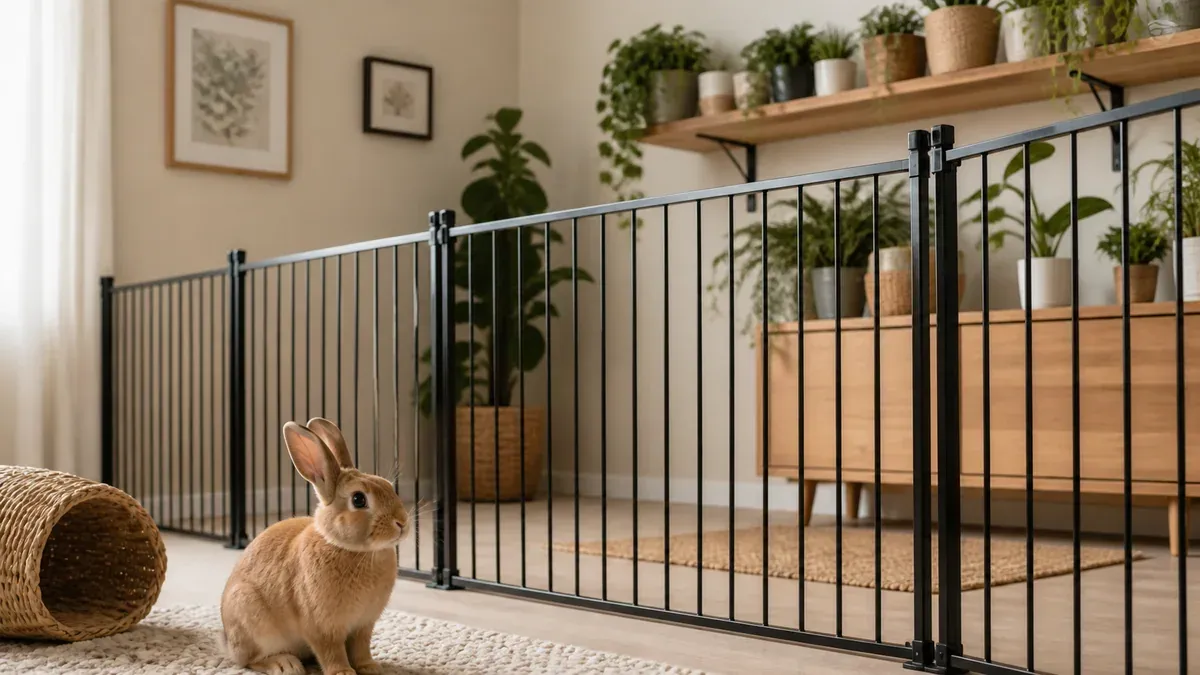
Many very common houseplants are toxic to rabbits, and a free-roaming rabbit tastes everything it finds. The most dangerous to remove include the lily, dieffenbachia, philodendron, pothos, yew, oleander, aloe vera and bulbs (amaryllis, hyacinth). The safest rule is not to “keep an eye on it” but to take these plants out of the rooms where the rabbit roams, because it masks discomfort and signs of poisoning often show up late.
Why houseplants are a genuine danger
A rabbit explores its territory with its mouth: it gnaws, tests, nibbles. This natural behaviour, described on the rabbit species page, leads it to taste a plant on the floor just as it would test a cable or a skirting board. But it cannot tell an edible plant from a toxic one, and it cannot vomit: whatever it swallows stays in its system.
There’s a further trap: rabbits hide pain and malaise. Poisoning can therefore progress with no immediate visible sign, then suddenly show up as lethargy, drooling, or already-advanced digestive or nervous trouble.
The houseplants to remove first
This list gathers common ornamental plants widely recognised as dangerous. It is not exhaustive: when in doubt, treat an unknown plant as suspect.
| Plant | Why it’s dangerous |
|---|---|
| Lily (all kinds) | Highly toxic; remove entirely |
| Dieffenbachia, philodendron, pothos, monstera | Oxalate crystals that irritate the mouth and gut |
| Yew (Taxus) | Among the most toxic, even in small amounts |
| Oleander | Highly toxic to the heart |
| Amaryllis, hyacinth, tulip, daffodil (bulbs) | Bulbs and leaves toxic |
| Aloe vera | Digestive irritant |
| Ficus / rubber plant | Irritant sap |
| Cyclamen, azalea, lily of the valley, foxglove | Toxic, sometimes to the heart |
| Ivy (Hedera) | Toxic leaves and berries |
Hold on to one principle: a plant being “decorative” does not make it harmless. Many of the best-selling garden-centre species are among the riskiest.
Watch “non-toxic” plants too
A plant reputed to be safe is still not a food. Two caveats:
- Quantity: even a harmless plant, eaten in large amounts, can upset digestion in an animal with a gut as fragile as a rabbit’s.
- The pot and the soil: fertiliser, clay pebbles, potting mix, pest treatments and bacteria in damp soil are dangerous regardless of the plant.
The rabbit should get its intake from hay and genuinely suitable greens — never from your houseplants, even “edible” ones.
Rabbit-proofing your rooms without giving up everything
Height alone protects poorly: leaves drop, stems trail, and a rabbit stands up or climbs higher than you’d imagine. What actually works:
- Remove toxic plants from rooms where the rabbit roams. That’s the only reliable protection for the most dangerous species.
- Put the rest genuinely out of reach: an unreachable shelf, a hanger away from any furniture it climbs, a room it can’t enter.
- Pick up fallen leaves from the floor daily: a classic blind spot.
- Block access to pots with heavy planters or a barrier, so it can’t dig the soil.
This logic completes the rest of room safety. If your rabbit lives free-roam, follow the full method in our guide on how to rabbit-proof a room, which also covers cables, nooks and risky objects.
If your rabbit eats a plant: act fast
If you catch your rabbit eating a plant, or you suspect it:
- Remove access to the plant and move the rabbit to a safe space.
- Identify the plant (photo, label, name) and estimate how much was eaten.
- Contact a rabbit-savvy vet or an animal poison line without waiting for symptoms. For highly toxic plants (lily, yew, oleander, dieffenbachia), it’s an emergency.
- Watch for signs: drooling, refusing food, lethargy, diarrhoea, balance problems. A rabbit that stops eating and passing droppings tips quickly into a gut emergency.
Never give a “home remedy” and never try to make a rabbit vomit: it’s impossible and dangerous. To understand why a stalled gut is so serious, see our guide on rabbit GI stasis.
Going further
The risk applies outdoors too: many balcony plants are toxic. If your rabbit has access to one, see how to make a balcony safe for a rabbit. To set up a safe living space end to end, browse all our rabbit housing guides.
Safety note
This article aims to prevent accidents; it does not replace a vet’s advice if a plant is eaten. General reference on rabbit health and environment:
Frequently asked questions
My rabbit nibbled a houseplant — what should I do?
Remove access to the plant, identify it (photo, label) and note how much was likely eaten. Contact a rabbit-savvy vet or an animal poison line without delay, especially for a plant known to be dangerous (lily, dieffenbachia, philodendron, yew). Don't wait for symptoms: in a rabbit, which hides discomfort, they often appear late.
Is placing a plant up high enough to protect my rabbit?
Rarely on its own. Leaves drop, stems trail, and a rabbit that climbs or stands up can reach higher than you'd think. Fallen leaves on the floor are a risk too. The safest option is to remove toxic plants from any room where the rabbit roams freely, rather than rely on height alone.
Can non-toxic plants still cause problems?
Yes. Even a harmless plant can upset digestion if the rabbit eats a lot, and the potting soil, fertiliser or pest treatments in the pot are dangerous. An 'edible' plant is not a food: the rabbit should get its intake from hay and suitable greens, not from your houseplants.
How do I stop my rabbit reaching my plants?
Put plants genuinely out of reach (a no-go room, an unreachable shelf, a hanger away from furniture it climbs), or give up the toxic species. Barriers, heavy planters and picking up dropped leaves complete the room's safety, alongside protecting cables and nooks.