Rabbit snuffles (coryza): symptoms, veterinary care and prevention
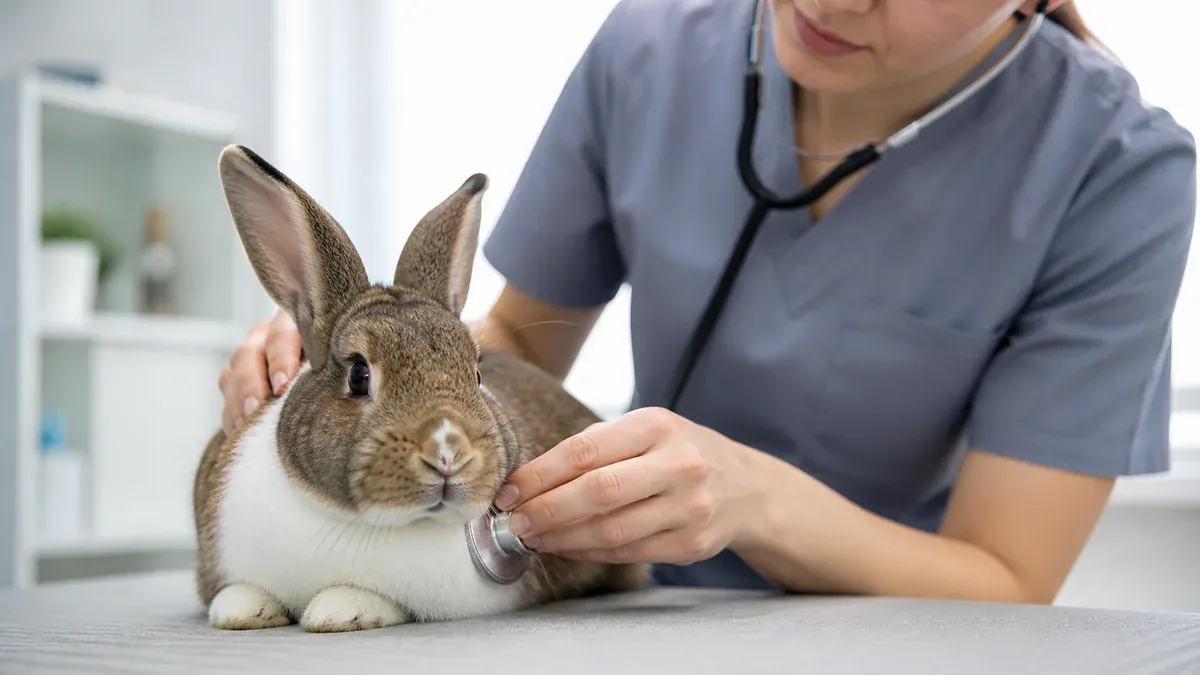
Veterinary warning — A rabbit that sneezes frequently, has crusty nostrils, or a persistent nasal discharge should be examined by a rabbit-savvy vet. Untreated snuffles can progress to pneumonia or serious internal abscesses. This guide is informational and does not replace a veterinary consultation.
Rabbit snuffles — also called rabbit coryza — is a bacterial infection of the upper respiratory tract, commonly associated with Pasteurella multocida but not limited to it. It is a frequent infectious problem in domestic rabbits and can be underestimated when owners mistake it for a passing cold. Recognising the early signs, getting a prompt veterinary diagnosis, and following the prescribed treatment improves the chances of controlling the episode and limiting chronic complications.
Causes and bacterial agents
Pasteurella multocida: the main culprit
Pasteurella multocida is naturally present in the nasal cavity of many healthy rabbits without causing disease — these animals are called asymptomatic carriers. Disease breaks out when the rabbit’s immune defences are weakened: stress, environmental change, overcrowding, poor hygiene, nutritional deficiency, or concurrent illness.
Secondary agents
Other bacteria can be involved alone or as co-infections with Pasteurella:
- Bordetella bronchiseptica: more often associated with lower respiratory involvement
- Staphylococcus spp.: frequently found in associated abscesses
- Moraxella catarrhalis and other opportunistic commensals
A nasal swab for bacterial culture and sensitivity testing identifies the responsible agent and guides antibiotic choice — a step that is often skipped but is essential, especially for recurrent or treatment-resistant cases.
Symptoms: stages of snuffles
Early stage
The first signs can be subtle and easily attributed to environmental irritation:
- Repeated sneezing, several times per hour
- Serous (clear, watery) nasal discharge
- Rabbit still eating and active
- Slightly moist nostrils
At this stage, the front paws are not yet damp — the rabbit is not yet constantly rubbing its nose.
Established stage
Without treatment, the infection progresses:
- Mucopurulent discharge: the discharge thickens and becomes white, then creamy-yellow
- Crusty nostrils: crusts reform quickly after cleaning
- Wet, matted forepaws: the rabbit continually wipes its nose with its front legs, leaving the inner surface damp and sticky — a highly characteristic sign that is often overlooked
- Slightly audible or mildly wheezy breathing
- Mild reduction in appetite
Advanced stage and complications
Poorly managed or untreated snuffles can lead to serious complications:
- Otitis media or interna: infection spreads via the Eustachian tube to the middle or inner ear. Signs: head tilt (torticollis), loss of balance, rolling, nystagmus. Faced with a head tilt, the vet tells this bacterial inner-ear disease apart from an E. cuniculi infection, since treatment differs by cause.
- Bacterial pneumonia: infection descends into the lungs. Signs: laboured, abdominal breathing, bluish tinge to mucous membranes.
- Retrobulbar abscesses: infection reaches the eye socket. Signs: exophthalmia (bulging eye), excessive tearing, peri-ocular swelling. More commonly, a simpler conjunctivitis (red, weepy eye) accompanies snuffles, as infection travels from nose to eye along the tear duct.
- Subcutaneous or visceral abscesses: Pasteurella is notoriously difficult to treat once abscesses form, because rabbit pus is caseous (thick, cheese-like) and poorly penetrated by most antibiotics.
How a vet confirms snuffles
Clinical signs alone can suggest snuffles but cannot identify the specific bacterium responsible. A nasopharyngeal swab with bacterial culture and sensitivity testing is strongly recommended, particularly for recurring or treatment-resistant cases.
Skull and chest radiographs may be indicated to assess the extent of infection (sinusitis, tympanic bullae, lung involvement).
How snuffles is treated
Treatment selected by the veterinarian
Treatment depends on the organism, the site of infection, and the rabbit’s overall condition. When an antibiotic is indicated, the veterinarian selects the medicine, route, and duration from the examination and, where needed, culture and sensitivity results. Some antibiotics and routes of administration can be dangerous in rabbits: never use leftover medicine intended for a person or another species.
Follow the prescription and planned recheck precisely. Stopping early, extending the course, or changing a dose without veterinary advice increases the risk of treatment failure and antimicrobial resistance.
Supportive care
Alongside antibiotic treatment:
- Gentle nostril cleaning with a damp cotton pad to remove crusts and ease breathing
- Saline nebulisation if recommended by your vet (helps liquefy secretions)
- Maintaining appetite: offer a variety of hays and fresh herbs — a rabbit eating well recovers better
- Stress reduction: isolate the sick rabbit if possible to limit contagion and reduce the social stress of competition
If snuffles triggers gut stasis through anorexia, see our guide on rabbit GI stasis for managing that complication.
Prognosis
Snuffles caught and treated early often responds well. However, Pasteurella multocida can go latent and re-emerge. Rabbits with chronic snuffles need:
- Regular veterinary check-ups (every 3–6 months)
- Careful monitoring for signs of relapse, especially after stressful events
- Environmental optimisation to reduce trigger factors
The prognosis is guarded when pneumonia, multiple abscesses, or lasting head tilt from inner ear disease are present.
Spread and cohabitation with other rabbits
If you have a multi-rabbit household, an affected rabbit should ideally be isolated during treatment. Pasteurella spreads easily through:
- Nose-to-nose contact
- Droplets from sneezing
- Shared food bowls, toys, or accessories
- Shared litter trays
A new rabbit should initially be kept separate from resident animals and examined if it shows respiratory signs. The appropriate timing and conditions for introduction depend on its origin, health, and veterinary advice. For vaccination best practices, see our guide on rabbit vaccination.
How to lower the risk of snuffles
There is currently no vaccine against rabbit snuffles (unlike myxomatosis and RHD). Prevention rests on the following measures:
- Strict hygiene: regular cleaning of the enclosure, litter tray, and accessories
- Good ventilation without cold draughts: stale air promotes respiratory infections
- Low-dust bedding: avoid pine shavings or high-dust litters; favour hemp or compressed paper bedding
- Stress management: minimise sudden environmental changes, avoid overcrowding
- Balanced diet: a rabbit fed correctly (unlimited hay, fresh vegetables, limited pellets) has a stronger immune system
- Systematic quarantine for any new rabbit
For the broader picture of rabbit respiratory health — including the benign causes of sneezing — see our article on why rabbits sneeze, which covers the full differential.
For an overview of general rabbit health and recommended vet visits, visit the rabbit species page.
Veterinary sources and caution notes
The sources below are provided as veterinary or institutional reference points to frame the topic cautiously: this article can help you recognise possible signs, but it does not replace an examination by a rabbit-savvy veterinarian. If you are unsure, or if your rabbit shows pain, lethargy, refusal to eat, abnormal breathing, or rapidly worsening signs, contact a veterinary clinic without delay.
Sources used to frame the recommendations:
- RSPCA — Rabbit health and welfare
- VCA Hospitals — Infectious diseases in rabbits
- Merck Veterinary Manual — Bacterial and mycotic diseases of rabbits
Frequently asked questions
Can rabbit snuffles be cured completely?
Not always. Pasteurella multocida can become dormant after treatment and re-emerge during stress or immunosuppression. A targeted antibiotic course based on culture and sensitivity results can control the disease, but complete eradication is not guaranteed in all rabbits.
Is snuffles contagious to other rabbits in the house?
Yes, especially between rabbits. Respiratory agents may spread through direct contact, droplets, and shared objects. Temporarily separate a new or symptomatic rabbit and ask the vet when contact is safe. Immunocompromised people should seek medical advice after contact with respiratory secretions.
Can I treat rabbit snuffles at home without a vet?
No. Whether an antibiotic is needed, and its route and duration, depend on the examination and, when indicated, culture and sensitivity testing. Only a veterinarian can establish a protocol that is safe for a rabbit.
How long does snuffles treatment last in rabbits?
Duration varies with the organism, complications, clinical response, and medicine prescribed. Follow the prescription through its stated course and attend rechecks; shortening or extending treatment yourself can contribute to failure and antimicrobial resistance.