Can a rabbit live alone? What the science of welfare says
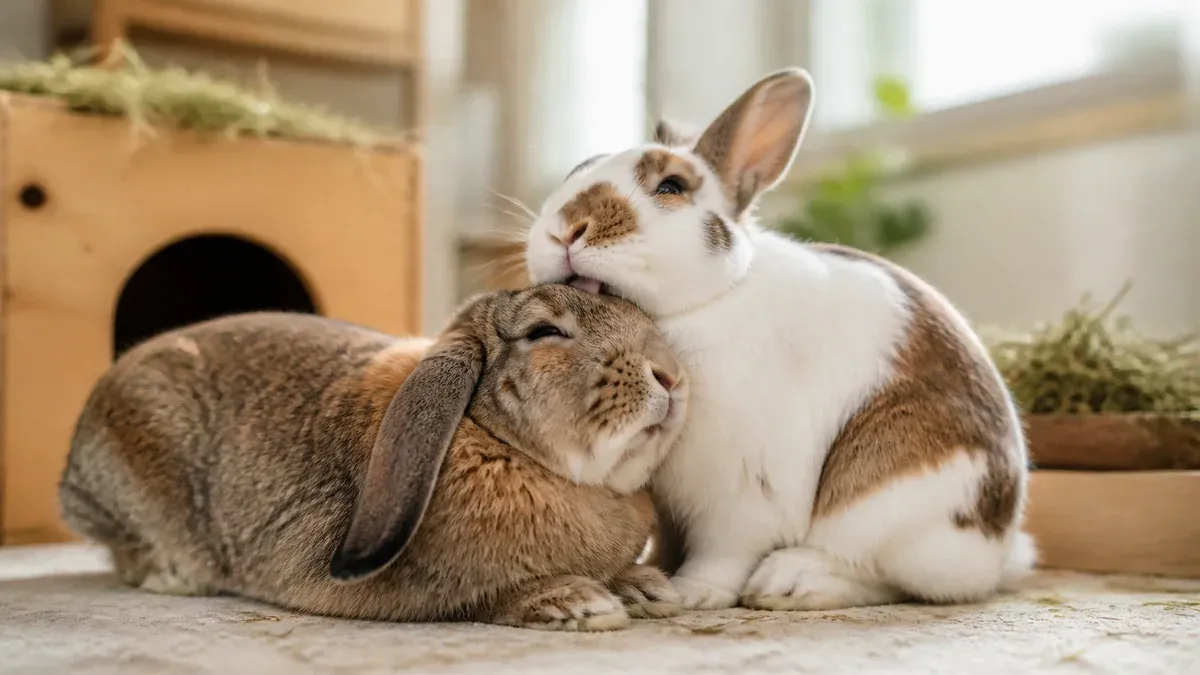
Rabbits are social animals: what that means in practice
In the wild, the European rabbit (Oryctolagus cuniculus) lives in complex family groups. It shares burrows, alerts the group to predators and maintains active social bonds — mutual grooming (allogrooming), play, physical contact.
This social context is part of its biology. It is not a preference — it is a need embedded in its nervous system.
Does that mean a single rabbit cannot live well? Not necessarily. But it does mean that a rabbit living alone has genuine social needs that must be met by other means.
The rabbit species page covers the general characteristics of this mammal and its domestication history.
What happens to a rabbit left alone without stimulation
A rabbit on its own, without regular human interaction and without enrichment, can develop:
- Stereotypies: bar-chewing, repetitive circling, endless compulsive digging.
- Apathy and inactivity: the rabbit stays inert in a corner, not exploring or playing.
- Compensatory overeating or, conversely, reduced appetite.
- Excessive reactivity to stimuli: an under-stimulated rabbit can become hypervigilant and bolt at the slightest sound.
- Long-term: weakened immune defences linked to chronic stress.
These signs are not trivial. A rabbit that is bored or suffering from loneliness is expressing real distress. Be careful not to confuse this apathy with a rabbit’s normal rest: sleeping a lot during the day is part of its natural rhythm, as explained in our article on why rabbits sleep so much — it is the lack of reaction and activity even during its usual waking hours that should raise concern.
How to compensate for a solitary rabbit’s social needs
Regular, quality human interaction
Quality matters more than quantity. A rabbit that lives in the living room, that watches the household comings and goings, that receives a few strokes in passing and can explore when you are present already receives significant social stimulation.
Good habits:
- Speak gently to the rabbit as you pass.
- Allow at least 3–4 hours of free-roaming in a rabbit-proofed room every day.
- Offer varied toys and refresh them regularly.
- Learn to read comfort and discomfort signals (see our article on how to tame a fearful rabbit).
An enriched environment
Environmental enrichment reduces boredom and encourages natural behaviours:
- Tunnels, hides and spaces to explore.
- Chewable materials (untreated apple branches, wooden toys).
- Hay presented in different ways (hay rack, foraging box, hay wrapped in paper).
- Object rotation to maintain novelty.
A well-furnished space significantly reduces stereotypy signs in a solitary rabbit. The four needs to cover and the rotation method are detailed in how to keep a bored rabbit busy.
Background noise and TV — genuinely useful?
In moderation and without excessive volume, ambient sound can help a rabbit feel less isolated. A calm audio background (soft music, quiet human voices) can maintain light alertness without generating stress. Avoid loud sounds and heavy bass.
When to consider adopting a second rabbit
This page covers a rabbit already living with you. If you have not adopted yet and are weighing one against two from the start, the decision turns on different criteria — budget, space, how you acquire the animals — set out in should you adopt one or two rabbits.
Successful bonding between two rabbits is the best way to meet the species’ social needs. It allows allogrooming, play and resting side by side — behaviours you cannot replicate yourself.
Signals that suggest considering a second rabbit:
- Persistent stereotypies despite an enriched environment.
- Marked apathy in your absence.
- Noticeably different behaviour (lively, alert, playful) when you are home vs away.
Prerequisites before adopting a second rabbit:
- Appropriate budget: food, bedding and vet costs doubled.
- Sufficient space for two individuals, laid out for two: doubled resources and hides with two exits, as explained in keeping two rabbits together without fighting.
- Time for a gradual introduction on neutral ground: the full step-by-step method is in how to introduce two rabbits.
- Both rabbits neutered or spayed to avoid hormonal conflict and unwanted pregnancies.
For budget details, see how much does a rabbit cost per month.
Rabbits also express stress or frustration by thumping — forcefully stamping their hind legs on the floor. Understanding this signal helps you detect early signs of social distress or environmental problems. For a full explanation, read our article on why rabbits thump.
Frequently asked questions
Can a single rabbit be happy?
Yes, provided its social needs are partly met through regular human presence, daily interaction and an enriched environment. A rabbit that is well integrated into household life can thrive on its own. A rabbit that is ignored cannot.
How much time should I spend with a rabbit that lives alone?
A minimum of 3 to 4 hours of interaction and free-roaming time per day, as for any rabbit. This does not mean consecutive hours of intensive petting — it means being in the same room, offering exploration opportunities and spontaneous exchanges. Consistency matters more than the length of any one session.
My rabbit seems bored when I am away. Should I adopt a second one?
Boredom is a signal worth taking seriously. Before adopting a second rabbit, first check that space, diet and enrichment are adequate. Adding a bonded companion improves long-term quality of life, but requires a proper introduction period and doubles your resources.
Can a rabbit live with other animals to avoid loneliness?
With care. A rabbit can coexist with a calm cat or a low-prey-drive dog if they have been gradually introduced. This coexistence does not replace the company of a fellow rabbit for species-specific social needs.