Rabbit myxomatosis: symptoms, progression and vaccination
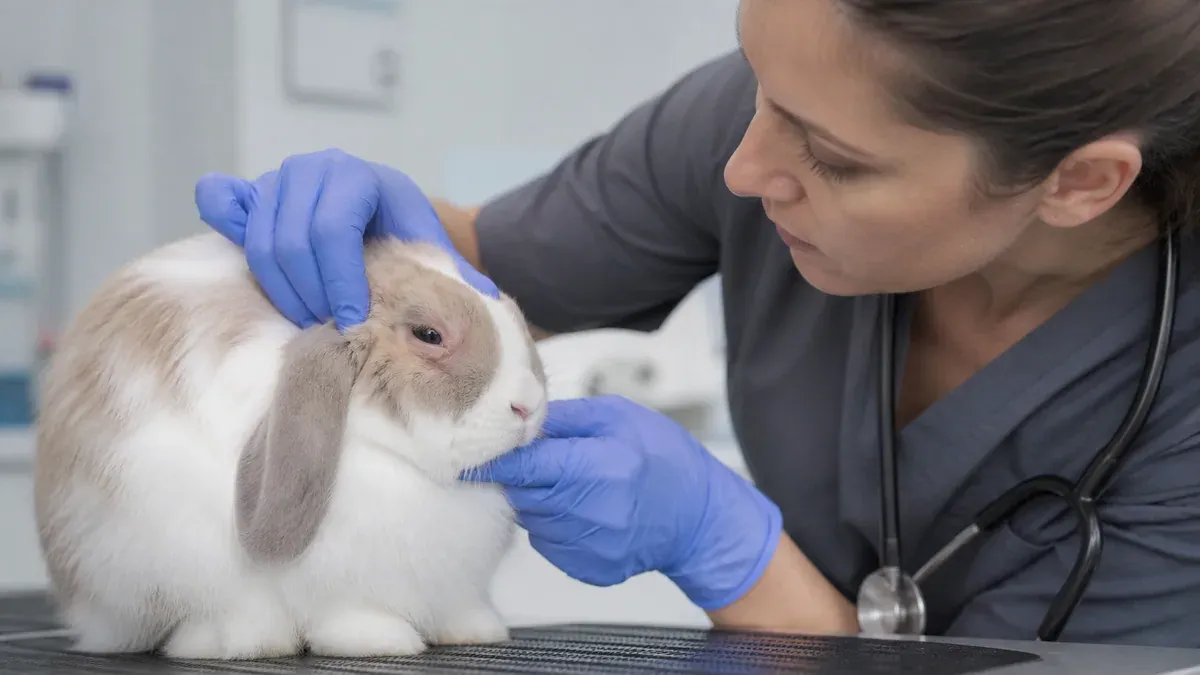
Veterinary warning — Myxomatosis is a veterinary emergency. A rabbit with swelling of the face, eyelids, or genitals should be examined as an emergency. This guide is informational and does not replace a veterinary consultation.
Myxomatosis is one of the most feared diseases for rabbit owners. Caused by a poxvirus (Myxoma virus), it is present in many parts of Europe and can affect domestic rabbits, including house rabbits that never go outdoors. Acute forms can be very severe and sometimes fatal. Recognising the signs, reducing exposure to biting insects, and discussing vaccination with a vet can substantially reduce risk.
The virus and its origin
Myxoma virus belongs to the family Poxviridae. It was deliberately introduced into France in 1952 to control wild rabbit populations that were destroying crops — with devastating consequences for wild and domestic rabbit populations alike. Today, myxomatosis is endemic throughout Western Europe. Attenuated strains have naturally emerged over the decades alongside highly virulent strains.
How myxomatosis spreads
Myxomatosis spreads primarily through insect vectors:
- Fleas: the rabbit flea (Spilopsyllus cuniculi) is the most efficient vector; cat and dog fleas can also carry the virus
- Mosquitoes: transmission via mosquitoes explains why the disease peaks in summer and autumn
- Other biting insects: mites, lice, flies
The virus can also spread through direct contact between a sick and a healthy rabbit, or via contaminated objects (cage, accessories, the owner’s hands).
An indoor rabbit that never goes outside is not completely risk-free: mosquitoes can enter through open windows, and fleas can be brought in by other pets or on the owner’s clothing.
Symptoms by clinical form
Acute form (often the most severe)
The incubation period is 3–14 days. Signs then appear rapidly:
Early stage (days 1–3 after first signs):
- Swelling of the eyelids (oedematous blepharitis) — often the first visible sign
- Bilateral purulent eye discharge
- Swollen muzzle and nose
- Mild fever, lethargy
Intermediate stage (days 3–7):
- Swelling extending to the face, ears, and genitals (vulva or scrotum)
- Cutaneous nodules (myxomas) appearing on the body
- Increasing breathing difficulties (associated bronchopneumonia is common)
- Refusal to eat, prostration
Terminal stage:
- Inability to open eyes, laboured breathing
- Death possible within several days to two weeks in the most severe cases
Attenuated form (less virulent strains)
Since the 1960s, attenuated strains have been circulating in Europe. They cause:
- Nodular cutaneous myxomas without the major facial oedema
- A slower progression
- Mortality is generally lower than in acute forms, but it can still be significant in unvaccinated rabbits
- Possible spontaneous recovery with sequelae in some individuals
Respiratory form (variant)
Some strains cause mainly respiratory symptoms (cough, severe rhinitis, pneumonia) with few cutaneous swellings. This presentation can be confused with severe snuffles — see our article on rabbit snuffles to differentiate the two.
Treatment: supportive care only
There is no specific antiviral treatment for myxomatosis. Management is exclusively symptomatic and supportive:
- Fluid therapy (subcutaneous or intravenous rehydration)
- Nutritional support if the veterinarian considers it appropriate after examination, following their precise instructions
- Antibiotics to prevent or treat secondary bacterial infections (pneumonia, snuffles)
- Anti-inflammatories and pain relief appropriate for rabbits
- Eye cleaning and maintaining nasal airway patency
- Warmth and calm: keep the rabbit at a stable temperature (20–22°C), away from stress
This supportive treatment can allow some rabbits to survive an attenuated form, but mortality remains high. The decision to treat aggressively or euthanise on humane grounds should be discussed with the vet on a case-by-case basis.
If your rabbit shows signs of myxomatosis, seek emergency veterinary care immediately — every hour matters.
Vaccination: the main preventive measure
Vaccination against myxomatosis is the most important preventive measure. It is generally recommended for both indoor and outdoor rabbits; the first-vaccination age and exact schedule depend on the product available and your vet’s advice.
A schedule specific to each vaccine
Combined vaccines can cover myxomatosis and one or more forms of RHD (Rabbit Haemorrhagic Disease, also called VHD). Minimum age, onset of protection, and booster interval come from the product information for the vaccine actually used and should not be transferred from one brand to another. As a verifiable example, the Nobivac Myxo-RHD Plus product information states vaccination from 5 weeks of age, onset of immunity after 3 weeks, and one year of immunity. The veterinarian then adapts the plan to the available product, vaccination history, and local risk.
For full protocol details and vaccine choice, see our guide on rabbit vaccination.
Efficacy and limitations
A vaccinated rabbit can still be infected in some situations, but vaccination generally reduces disease severity and improves the chances of a better outcome. It does not guarantee complete protection, so insect control and prompt veterinary care still matter.
What to do beyond vaccination
Beyond vaccination:
- Regular antiparasitic treatment against fleas for the rabbit and all other pets in the household, since the flea is a major vector of the virus
- Window screens during the risk season (spring through autumn)
- Avoid contact with wild rabbits or rabbits of unknown vaccination status
- Quarantine any new rabbit before introducing it to the existing household
For a more coherent prevention plan, myxomatosis vaccination is usually considered alongside RHD coverage. See our article on rabbit haemorrhagic disease and the practical vaccination schedule to prepare questions for your vet.
For a comprehensive overview of rabbit health needs and routine vet care, visit the rabbit species page.
Veterinary sources and caution notes
The sources below are provided as veterinary or institutional reference points to frame the topic cautiously: this article can help you recognise possible signs, but it does not replace an examination by a rabbit-savvy veterinarian. If you are unsure, or if your rabbit shows pain, lethargy, refusal to eat, abnormal breathing, or rapidly worsening signs, contact a veterinary clinic without delay.
Sources used to frame the recommendations:
- EMA — Nobivac Myxo-RHD Plus
- ANSES — Nobivac Myxo-RHD Plus product information
- Merck Veterinary Manual — Viral diseases of rabbits
Frequently asked questions
Can a rabbit survive myxomatosis?
In acute forms, the prognosis is often very guarded in unvaccinated rabbits. Attenuated forms may be managed with intensive supportive care, but this is still a veterinary emergency. Vaccination remains the main preventive measure.
Can a vaccinated rabbit still catch myxomatosis?
Yes, it is possible. The vaccine does not protect 100% in every situation, but it generally reduces disease severity and improves the chances of a better outcome with prompt veterinary care.
Is myxomatosis transmissible to humans?
Myxomatosis is not considered transmissible to humans. The virus affects lagomorphs (rabbits and hares); if you have a specific health concern, ask a veterinarian for guidance.
How can my indoor rabbit catch myxomatosis?
Even without contact with wild rabbits, a house rabbit can be exposed through biting insects (mosquitoes, fleas) that enter the home. Vaccination is generally recommended, including for rabbits that never go outside, but the exact protocol should be confirmed with a vet.